
Wanted: a global plan for polar bears
King of the Arctic, cultural symbol, economic commodity, or global warming poster child? Whatever our views or impressions of polar bears may be–and it will vary depending on whether you are a northerner or a southerner–their survival is being threatened by global warming.
This edition of The Circle examines polar bear populations in Canada, the U.S., Russia, Greenland and Norway, and what these big, carnivorous mammals need to survive in the coming decades. We know almost nothing about polar bears in half the area they range, so more research could, arguably, top the list. What are the long-term effects of climate change, environmental disasters, industrialization in the far north and the cascading effect of all of these on the arctic marine food web and polar bears?
Here, The Circle presents the most up-to-date information, insight and opinions from scientists, Indigenous Peoples, academics and researchers into the plight of the polar bear.
Stories from other issues




More from The Circle

One ocean: a mosaic of places worth protecting

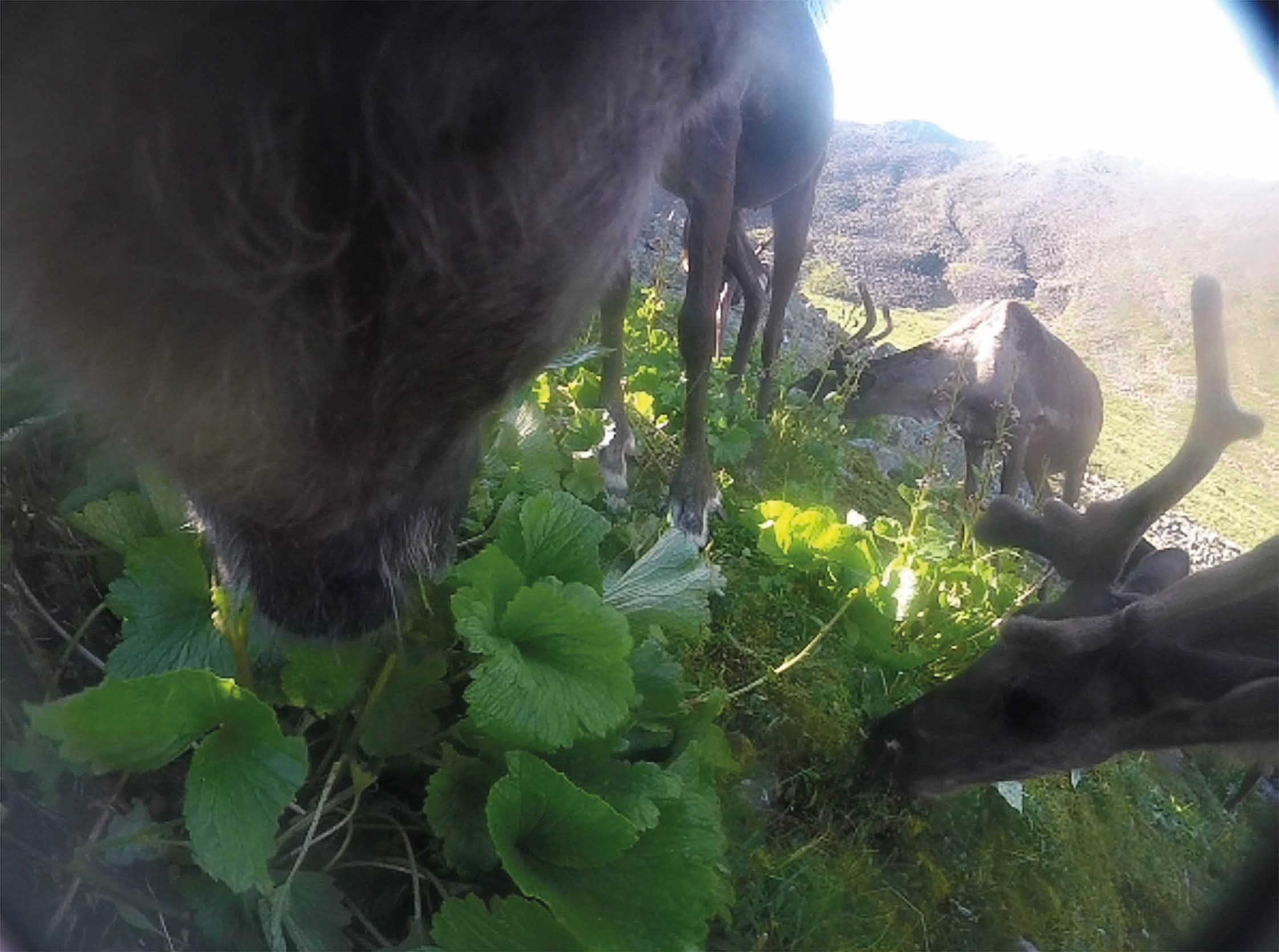
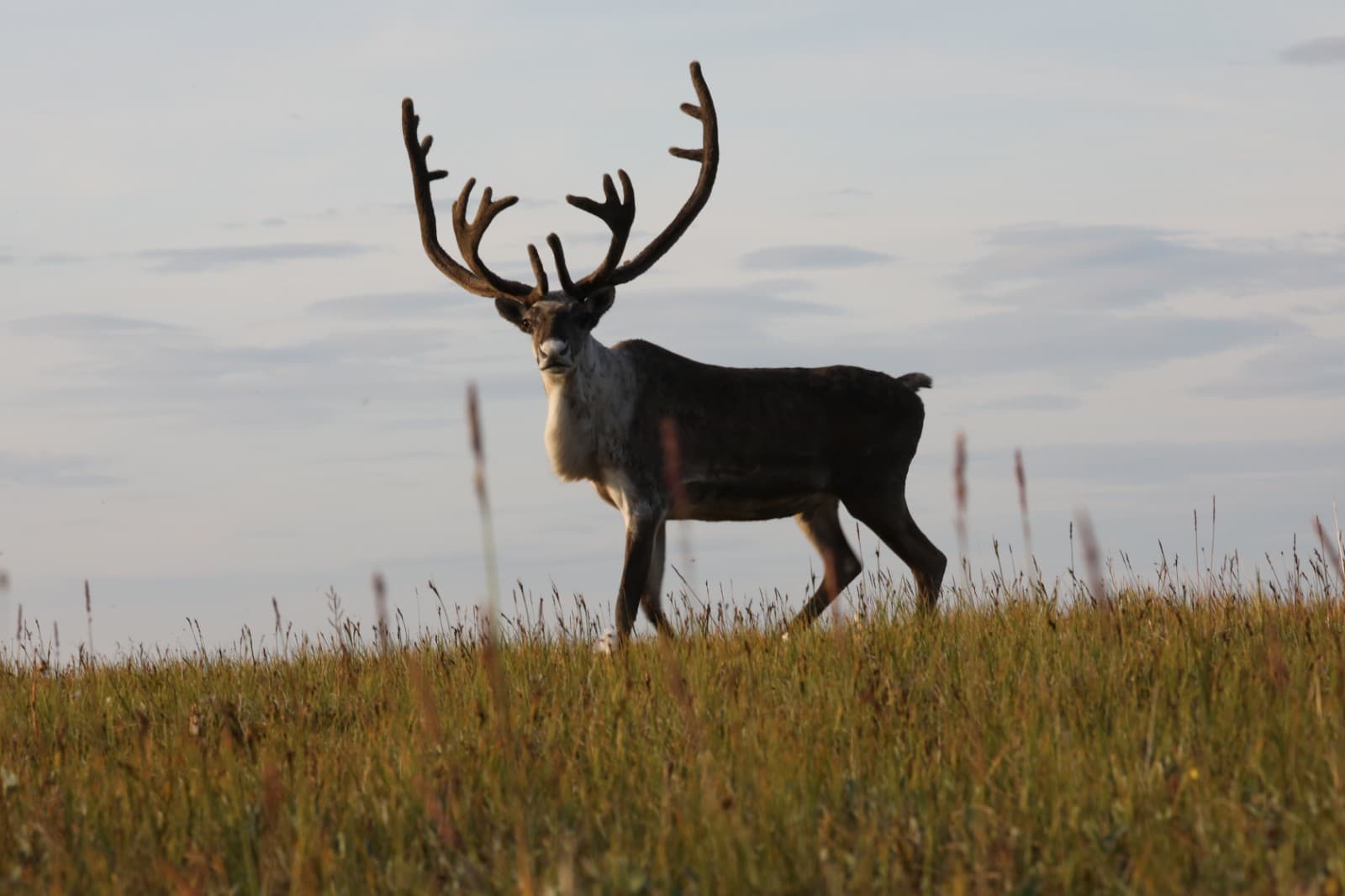
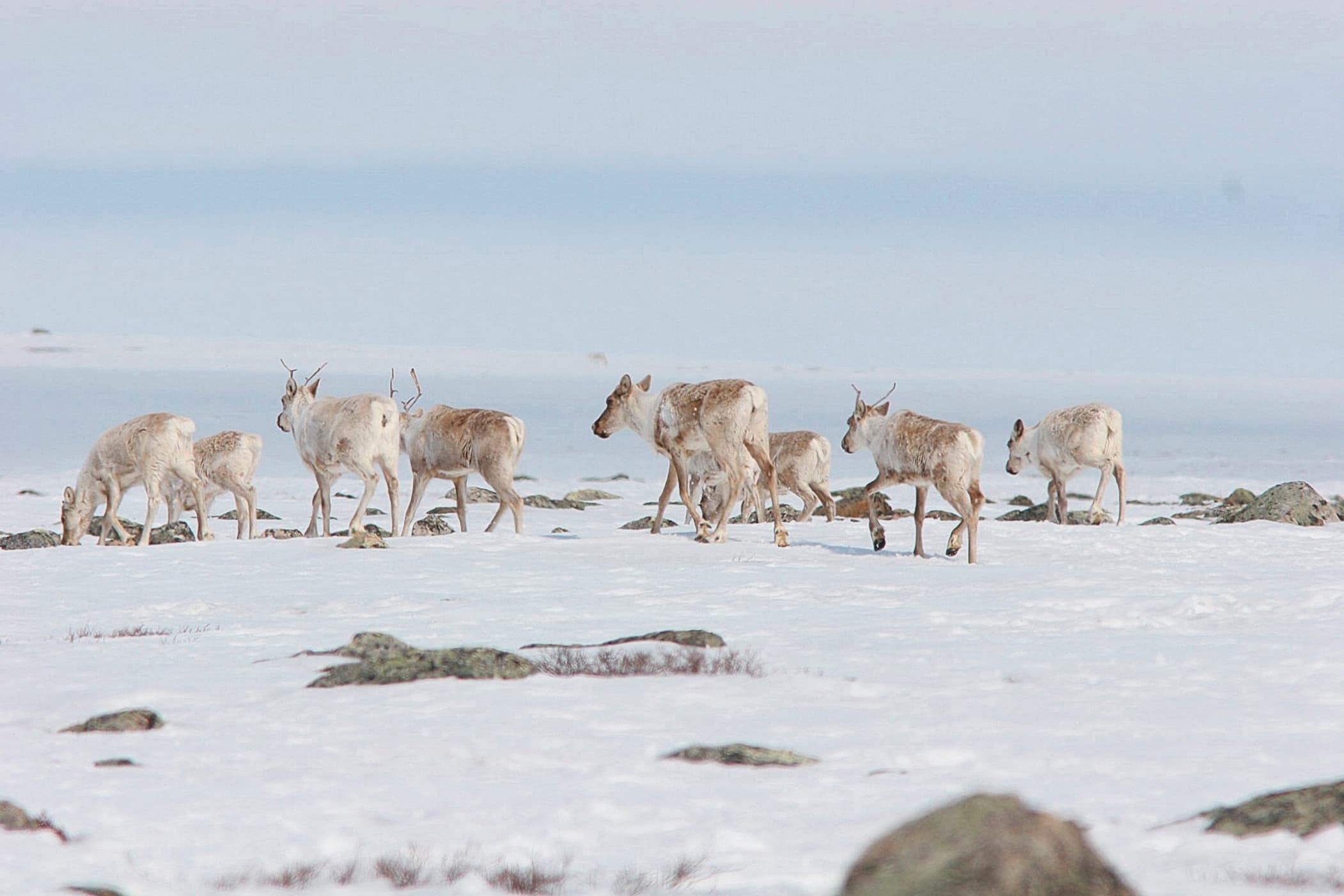
The Arctic wanderers: caribou in a changing north
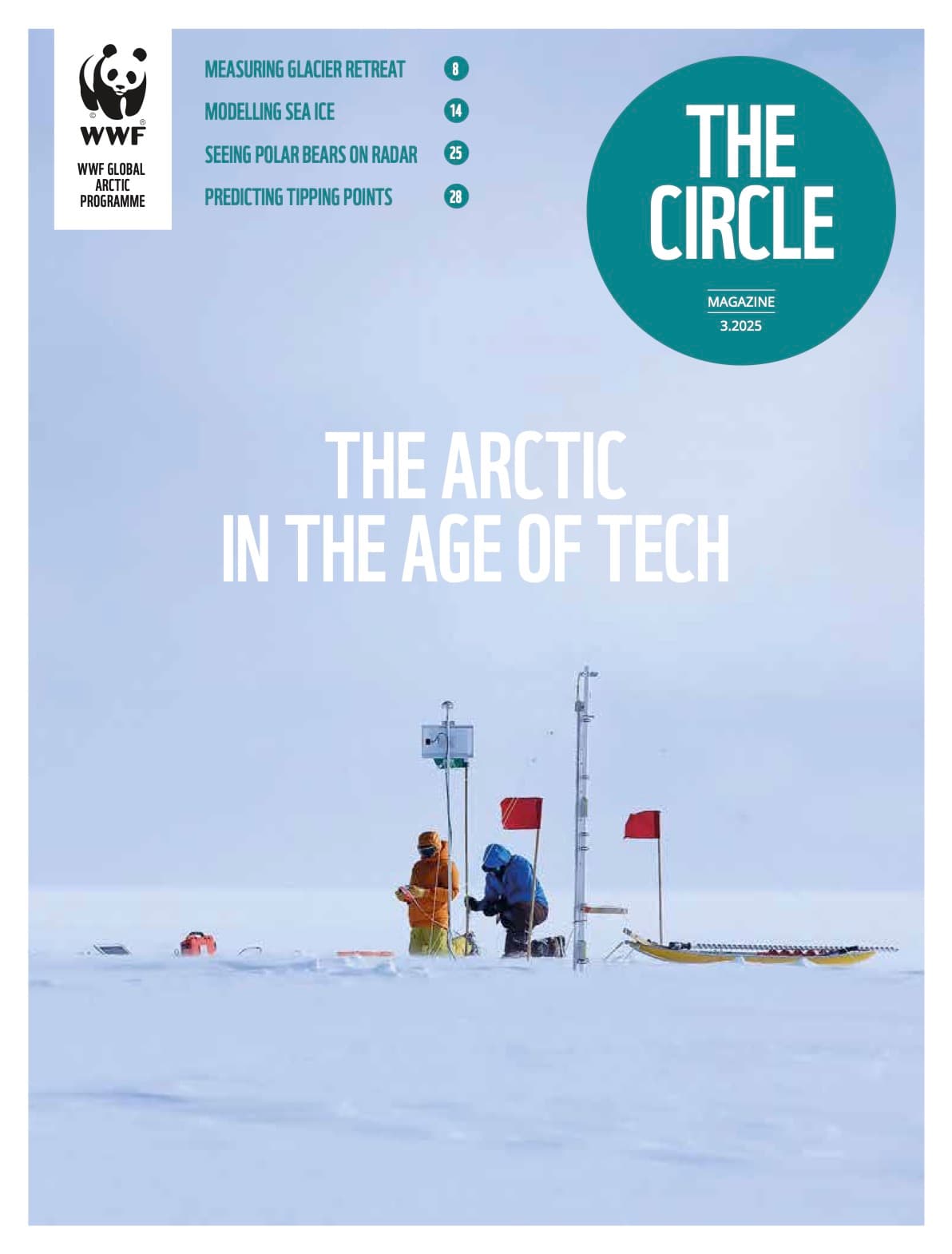
The Arctic in the age of tech
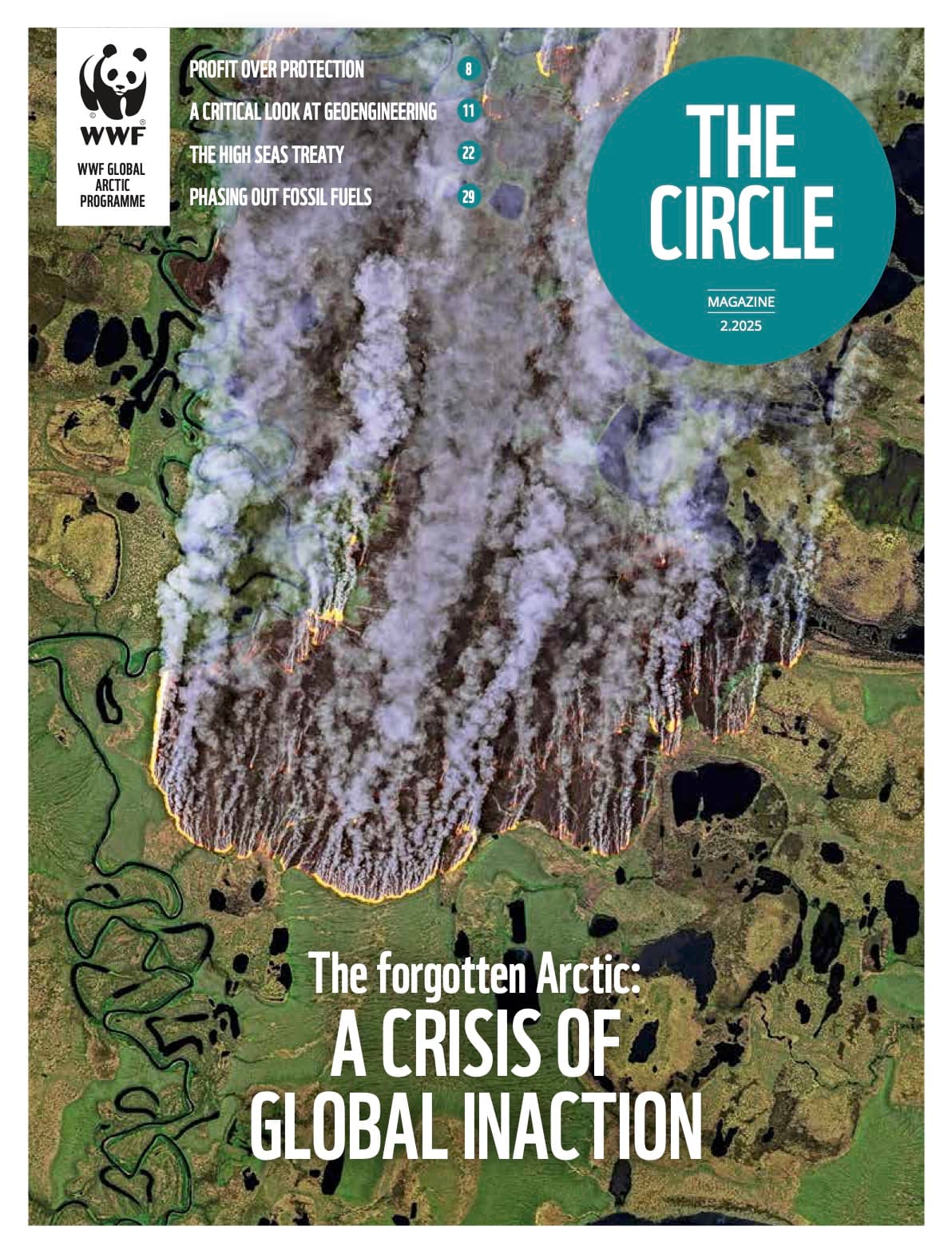
The forgotten Arctic: A crisis of global inaction
About The Circle magazine


Quarterly
WWF Arctic Programme publishes the magazine four times per year and each issue zeroes in on a theme and presents a range of stories.


Actions
It covers the key climate risks are for the Arctic—and what researchers and decision-makers in the eight Arctic nations are doing.

Perspectives
We aim to hear from contributors in a selection of Arctic countries—from youth to Indigenous communities to policymakers to scientists.

Themes
Stay informed about the environmental and development issues affecting wildlife, ecosystems and people in the Arctic today.