
One ocean: a mosaic of places worth protecting
The Arctic Ocean teems with life. Its extensive coastlines are dotted with towns and communities. Seabirds, fish, and whales come from far to feed on the riches of the Arctic. Ice-dependent species such as walrus, polar bears and certain seals rest, feed and breed on the expanding and contracting sea ice. The places, the species and communities of the Arctic Ocean are all connected, and if we want to safeguard them and this wondrous ocean, we need to understand how everything fits together.
This issue of The Circle examines the connections across the Arctic Ocean and the life that relies on it. Read about the search for new species in the Arctic’s deep ocean ridges, what Alaska’s auklets and murres can tell us about how the seas are changing or how an Indigenous Guardians programme has employed local residents as stewards of the land. Discover these stories and more in our latest issue.
Stories from this issue

A choir of voices to protect a mosaic of places

News from the Arctic

Conserving Qikiqtani’s interconnected ecosystems

The hidden, essential biomass of the Arctic Mid-Ocean Ridge

Protecting the pristine Kitikmeot region

Arctic insights from Alaska’s auklets and murres

Studying how shipping noise affects walruses in Nunavut

The search for new species in the Arctic’s deep ocean ridges

Working together to track and protect Arctic marine predators

A way of life at risk in northern Greenland
The back cover

An early window into the hidden ocean
In the early 1800s, William Scoresby became one of the first to show that in the polar ocean, deep water can be warmer than surface water, hinting at the large-scale circulation patterns we now call thermohaline circulation. Scoresby commanded whaling ships in the Greenland Sea, but used his voyages to measure sea ice, weather, ocean temperature and marine life. The “marine diver” he invented was designed to collect seawater from specific depths and protect a thermometer from registering temperature changes on its way back up to the surface. It helped kick off research exploring the hidden structure and life of the Arctic Ocean.
More from The Circle

The Arctic wanderers: caribou in a changing north
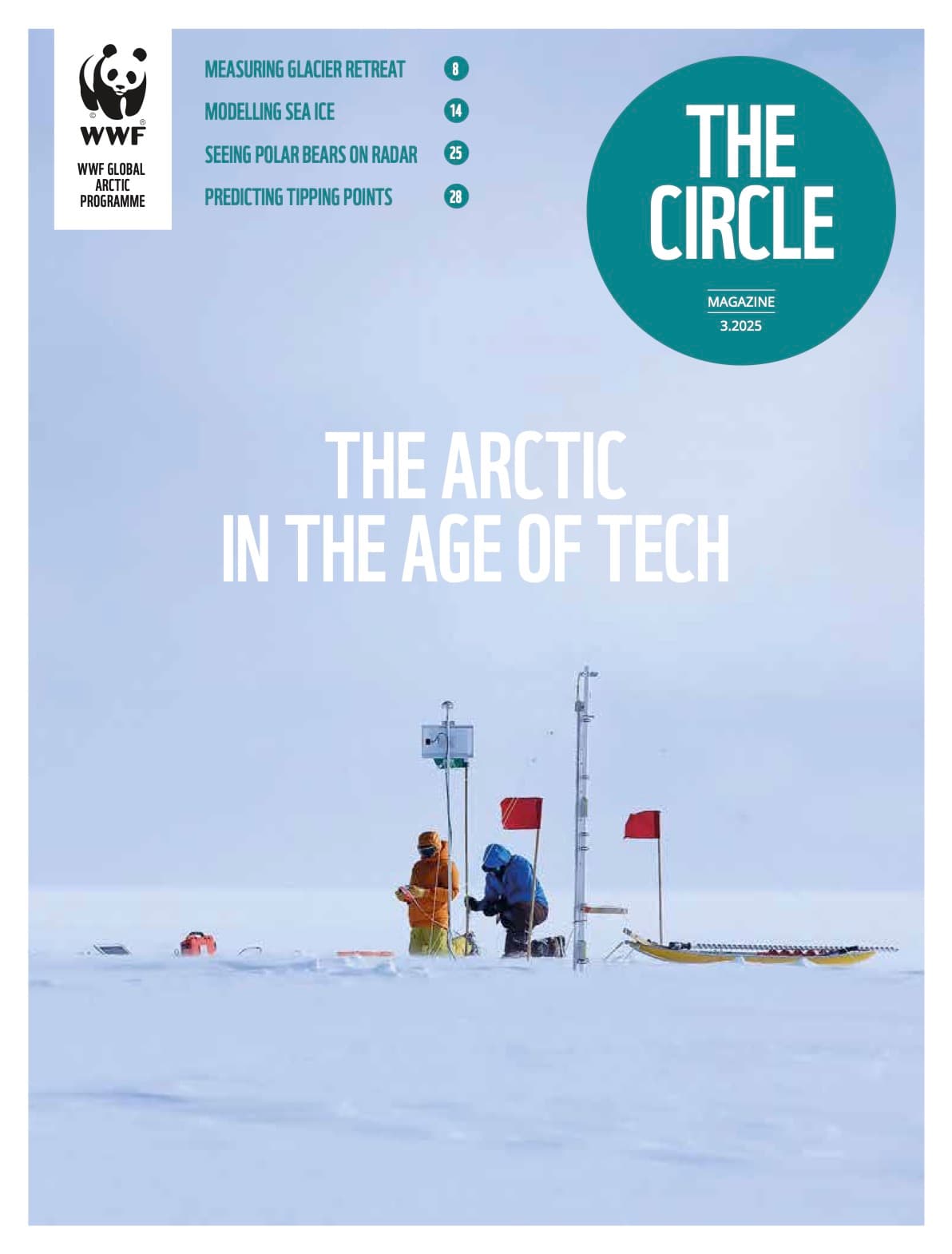
The Arctic in the age of tech
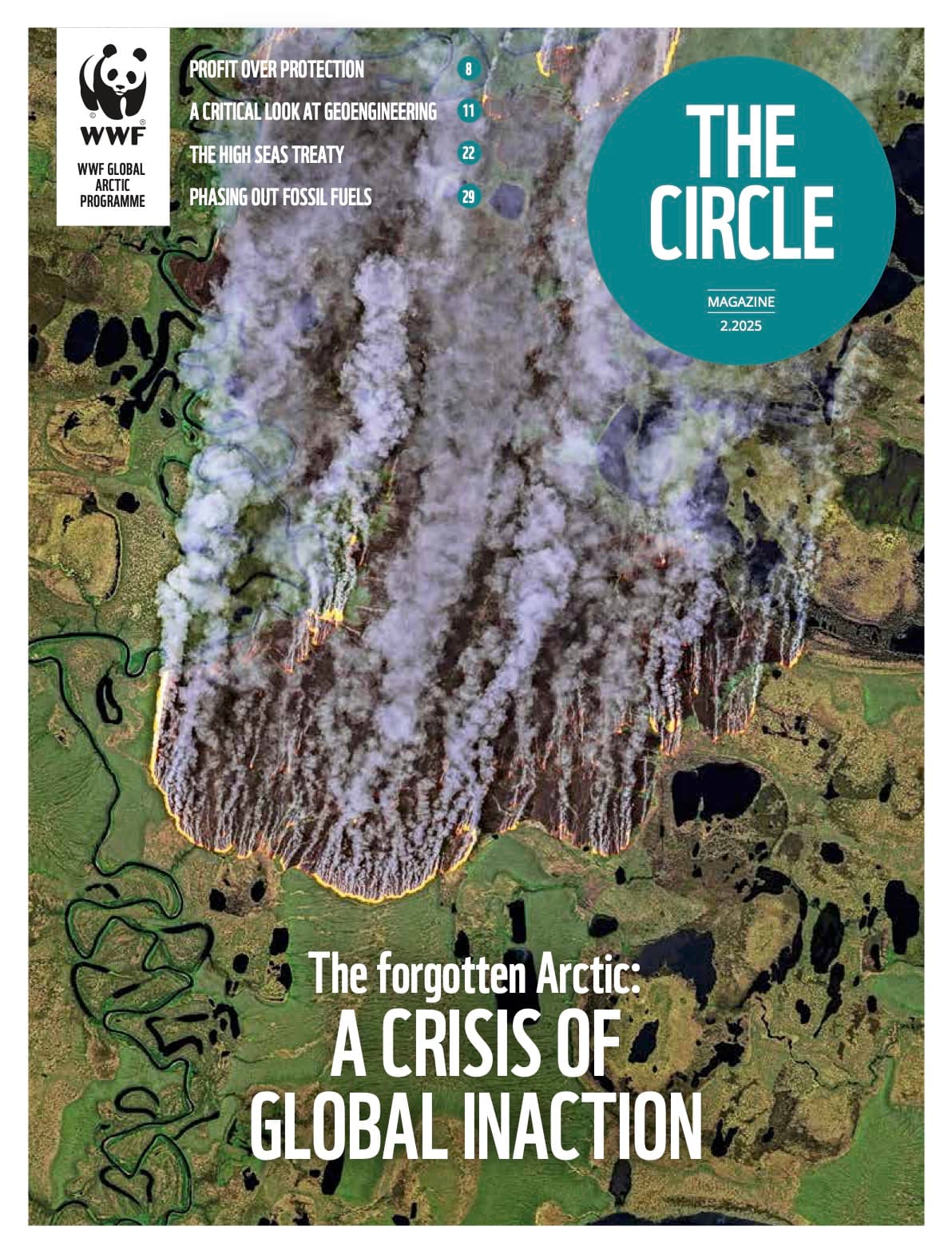
The forgotten Arctic: A crisis of global inaction
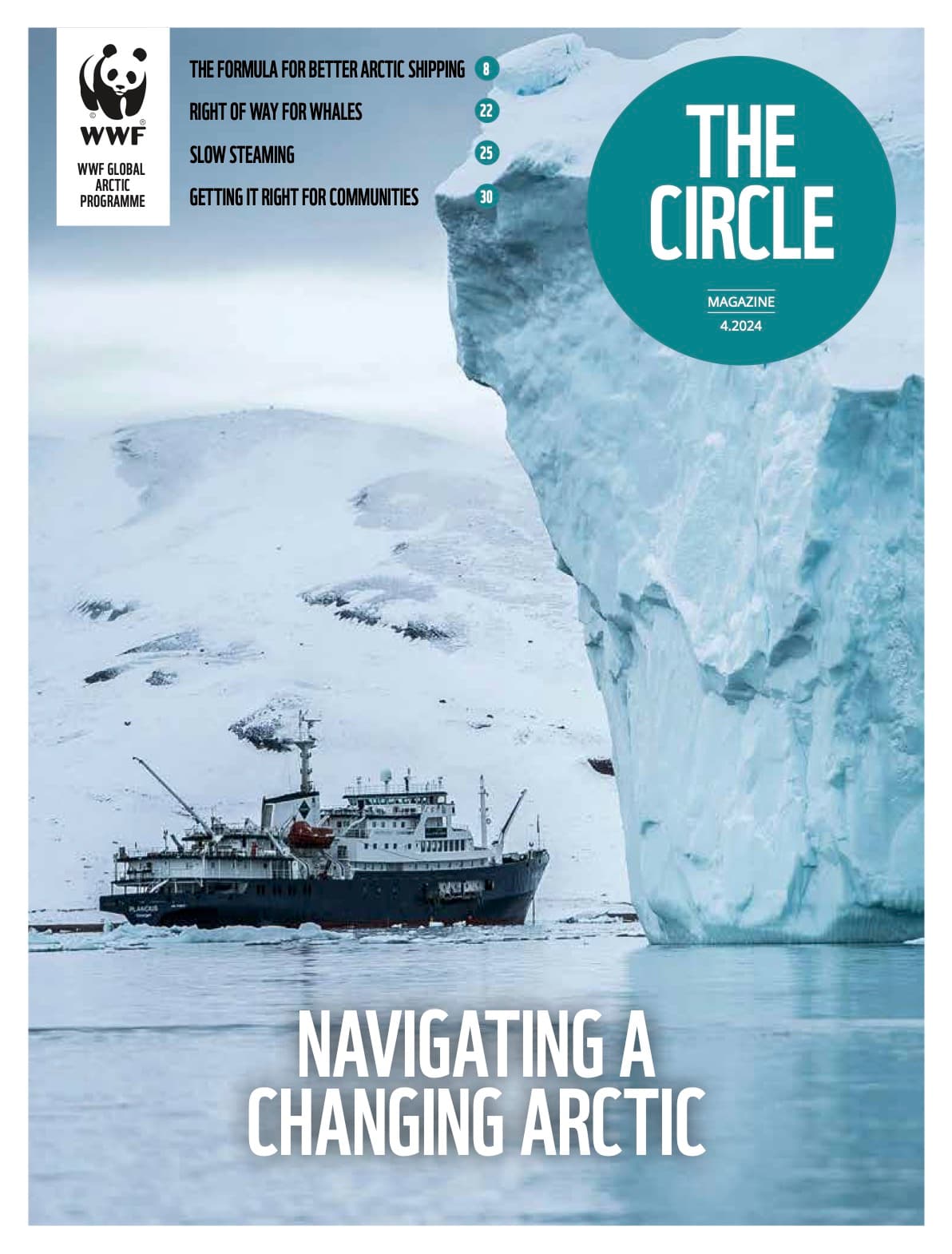
Navigating a changing Arctic
About The Circle magazine


Quarterly
WWF Arctic Programme publishes the magazine four times per year and each issue zeroes in on a theme and presents a range of stories.


Actions
It covers the key climate risks are for the Arctic—and what researchers and decision-makers in the eight Arctic nations are doing.

Perspectives
We aim to hear from contributors in a selection of Arctic countries—from youth to Indigenous communities to policymakers to scientists.

Themes
Stay informed about the environmental and development issues affecting wildlife, ecosystems and people in the Arctic today.