Features
Where whales and tankers meet: how increasing oil and gas shipping is harming Arctic marine wildlife
- Oil and gas
- Pan-Arctic
- Shipping
For a long time, the Bering Strait has been an important marine highway. Especially during autumn and spring, this narrow corridor between the Pacific and Arctic oceans is brimming with wildlife from seabirds to walruses, seals to bowhead whales. They are nesting, foraging, feeding, bringing up their offspring and travelling between summer and winter habitats. Marine mammals have made this journey for millennia. But today, they aren’t alone in traversing the Bering Strait. New travellers now frequent the same highway: oil and gas tankers.
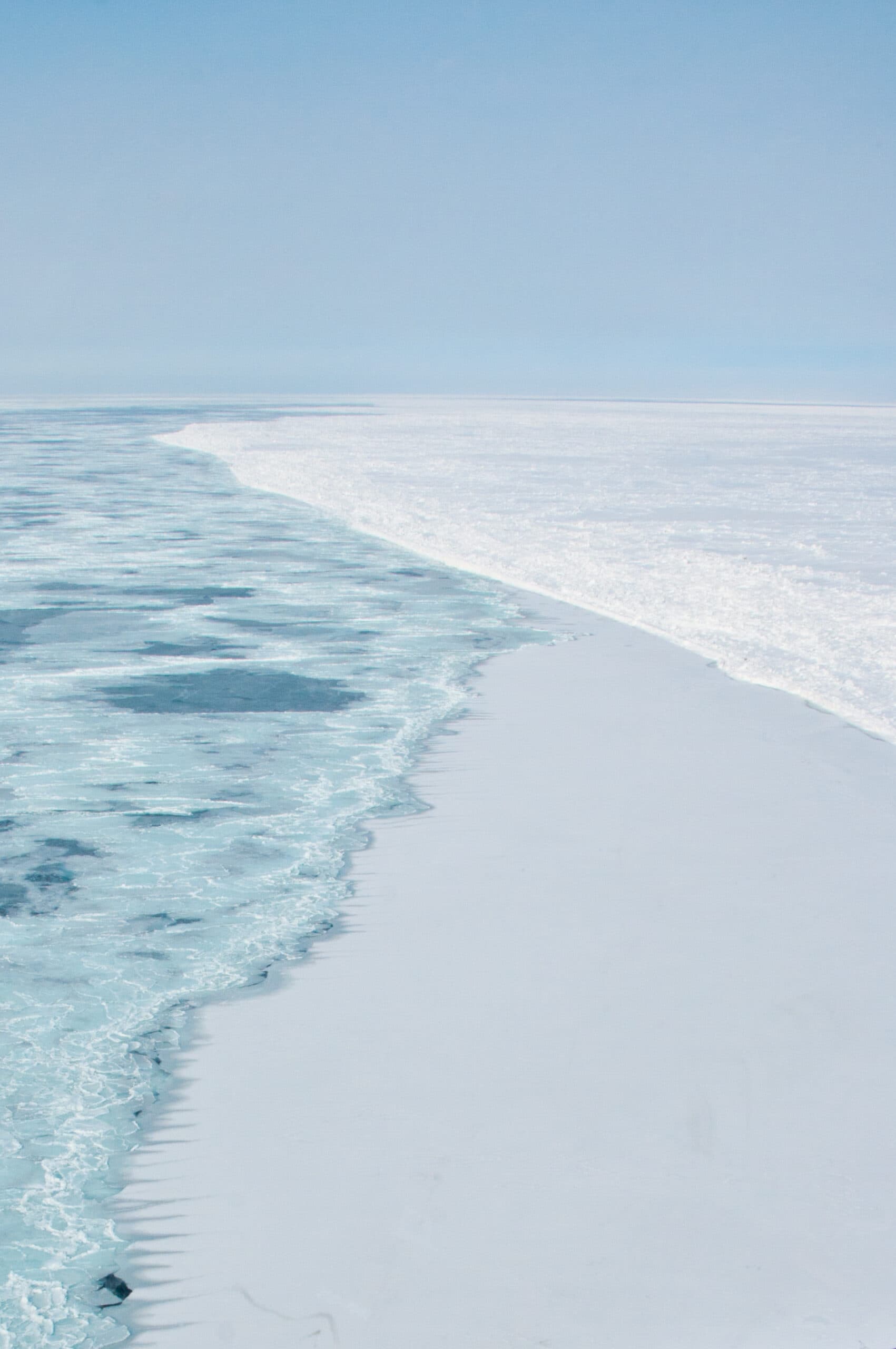
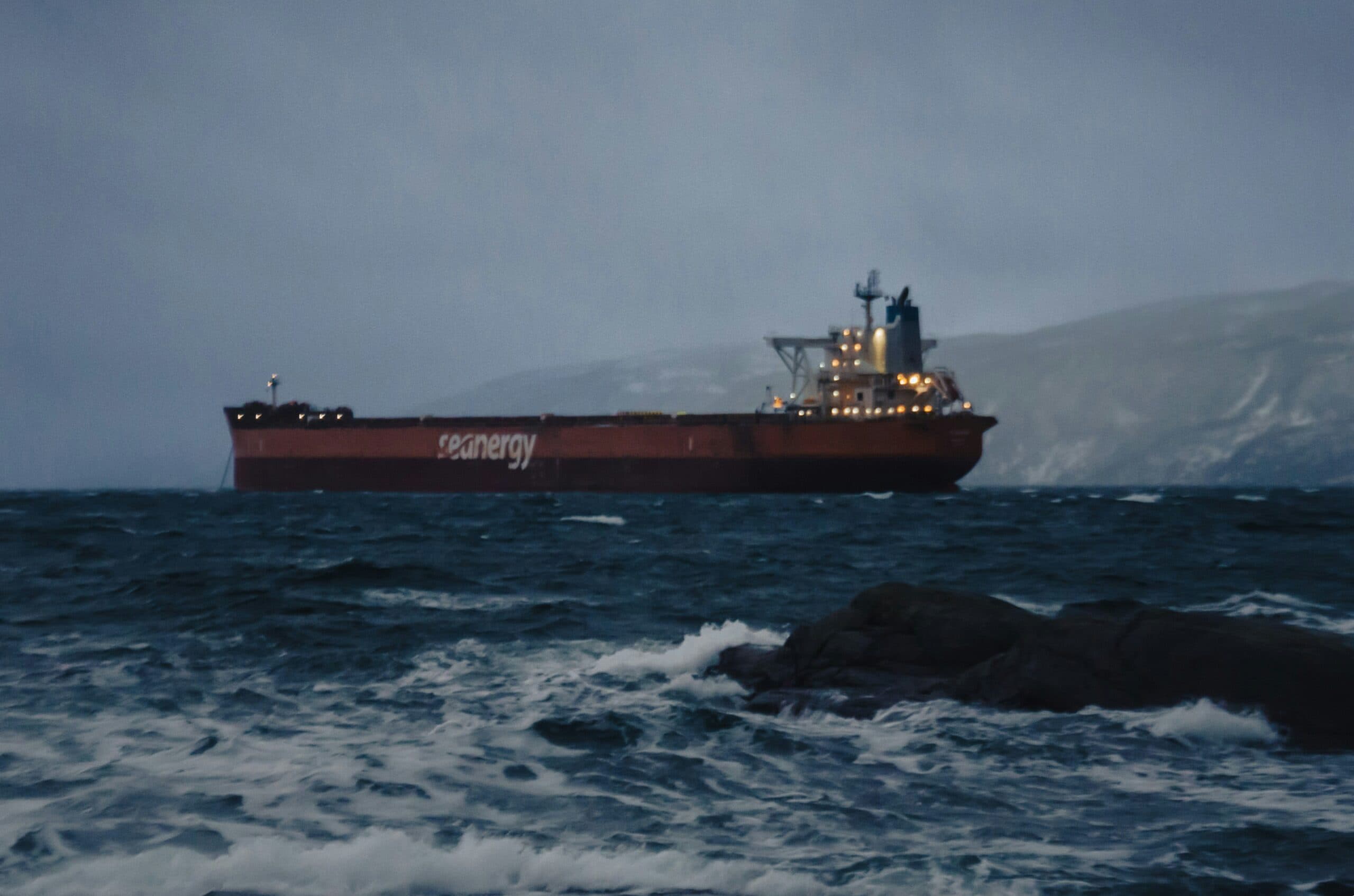
As the Arctic sea ice retreats, new routes for ships have opened in waters that were once inaccessible most of the year. Many of the vessels plying these Arctic waters are linked to the growing oil and gas sector. And many more are expected to join these, as more extraction means more transportation. The number of tankers transporting crude oil and gas while passing the Bering Strait increased from 14 in 2014 to 128 in 2024. These vessels sail the area mostly during ice-free months when the passage is full of migrating marine mammals. And this is just one example: we’re seeing similar developments in other Arctic regions. In our study, we looked at three areas: the Bering Strait, the Kara Sea and eastern Barents Sea, and the Norwegian coast in the Barents Sea. The routes used by ships servicing oil and gas coincide with areas recognized as “priority areas for conservation”, threatening critical Arctic species, communities and habitats.
What is unique about this study and what have we found?
WWF’s new study links data on Arctic oil and gas development with data on shipping traffic, and maps the impacts of these industrial activities on Arctic marine biodiversity. These area-based assessments, based on 705 key conservation features affecting everything from tiny plankton to whales, use WWF’s recently developed web-based conservation planning tool, Geranium.
In 2025, climbing Arctic fossil fuel production volumes – the hydrocarbons produced above the Arctic Circle – were estimated to reach almost 3 billion barrels. Russia is by far the largest contributor, producing more than 90 percent of the region’s oil and gas. Alaska is second, with 171 million barrels, and Norway third, with 123 million barrels.
Meanwhile, vessels serving this growing industry surged to more than 500 in 2024. The number of Arctic oil tankers doubled to 149 in the past decade and the distance they sailed increased threefold. Liquified natural gas (LNG) carriers multiplied even more, increasing six-fold from 20 in 2014 to 120 in 2024, and the distance they sailed increased nine times.
Why is oil and gas shipping in the Arctic harmful to its marine life?
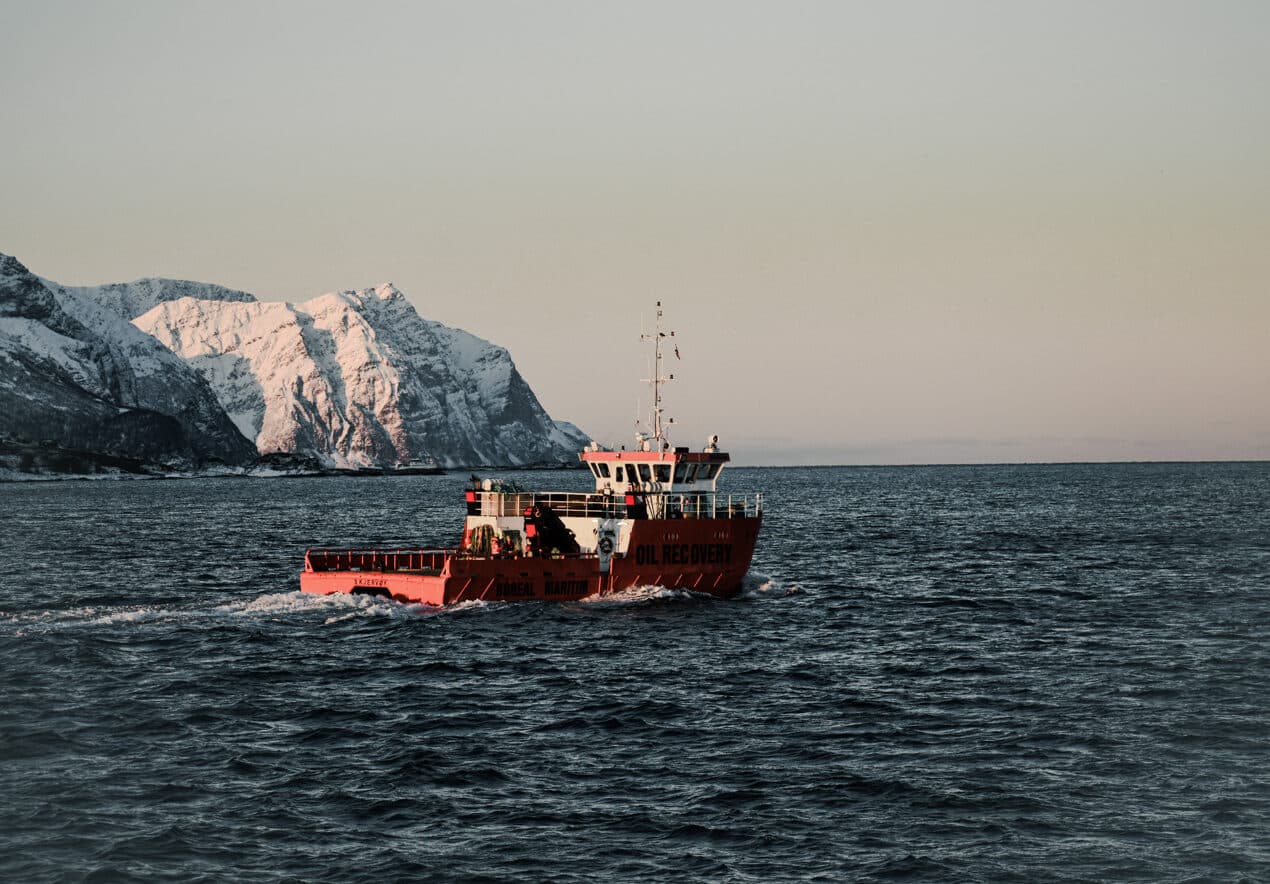
These hundreds of vessels related to the oil and gas sector, including oil tankers, liquefied natural gas (LNG) carriers, tugs, dredgers, service vessels, and icebreakers bring a set of varied environmental pressures. Tankers are especially risky as they emit greenhouse gases and pollutants, like black carbon, which accelerates ice melt. Oil spills, meanwhile, could be a disaster to the biological hotspots in the region. These spills are especially devastating in the Arctic, where extreme weather conditions and remoteness mean slow emergency responses.
Underwater noise is another concern. The sea ice has acted as a barrier, both muffling wave and wind sound by blanketing the ocean’s surface for much of the year and physically and keeping ship traffic away. Arctic whales such as bowhead whales, narwhals and beluga whales have evolved with the natural sounds of the ocean and the absence of underwater noise pollution from ships. But underwater noise from shipping has been on the rise since 2013, and is predicted to nearly quadruple by 2030 in the Arctic. For whales, which rely on sound to feed, navigate and communicate, even small increases in underwater noise have a big impact. Narwhals have been found to be especially sensitive to underwater noise, and their usual clicks, buzzes and calls fall silent as ships draw near.
Risks to both whales and ships
The Arctic seas are becoming more accessible even while the navigation hazards and risks of accidents worsen: while ships can travel farther and longer in the warmer Arctic, ice conditions are more erratic, and nautical charts remain incomplete. We’re also seeing that the high speed of LNG carriers puts them at increased risk of whale strikes. Out of all ships linked with the extractive sector in the Arctic, these vessels are the fastest. Their average speed is double that of the general cargo vessels sailing in these waters. At these speeds, both whales and ship operators have less time to detect each other, react and avoid contact.
Whale strikes come at a high price. A bowhead whale is about 15 metres long, but despite their size, they can be injured or killed by ship strikes. In addition to the risks for whales, ship strikes can also cause damage to ships, such as bent propeller blades or temporary loss of steering. These damages are costly to repair and can put the crew at risk in Arctic waters, where good control of the ship is necessary to avoid ice and shallow areas.
What actions can we take to protect Arctic marine life from the harm of oil and gas-related shipping?
In the Arctic, vulnerable wildlife and increasing tanker traffic are at a perilous crossroads: the whales and walruses will not stop their migration to wait for passing ships. It’s a precarious ecology-industry intersection that needs our efforts to try to make it safe. Our research suggests that there are concrete measures that can be taken to decrease the impact of oil and gas related shipping on Arctic marine wildlife.
Ensuring all vessels use cleaner fuels would be a start, along with improving emergency infrastructure to respond to spills. Replacing old ships with new ones could cut emissions, lessen underwater noise and reduce the likelihood of accidents.
More research is also essential. Knowing where and how Arctic species live and charting their migration routes can help steer ship traffic clear. It can also improve understanding about shipping’s wildlife impacts. Anticipating how these things change as Arctic warming continues is also essential.
Finally, and perhaps most importantly, governments and companies should embrace the call for the gradual phasing out of the fossil fuel projects. This will reduce greenhouse emissions in the coming decades while also lessening the shipping impacts on marine ecosystems that come from the oil and gas-related fleet.