© Tobias Mandt / Flickr
News
How an IMO polar fuels rule will curb the Arctic’s shipping’s black carbon Emissions
- Climate Change
- Shipping
Polar fuels standard can complement the Arctic HFO ban and Emission Control Areas, writes Sam Davin, WWF’s IMO Lead.
In recent years, efforts to clean up shipping in the Arctic have made meaningful progress. The International Maritime Organization’s (IMO) Emission Control Areas (ECAs) and the Arctic heavy fuel oil (HFO) ban are both important steps.
However, neither was designed to tackle one of the most urgent threats to the region: black carbon.
Accelerating melting and driving habitat loss
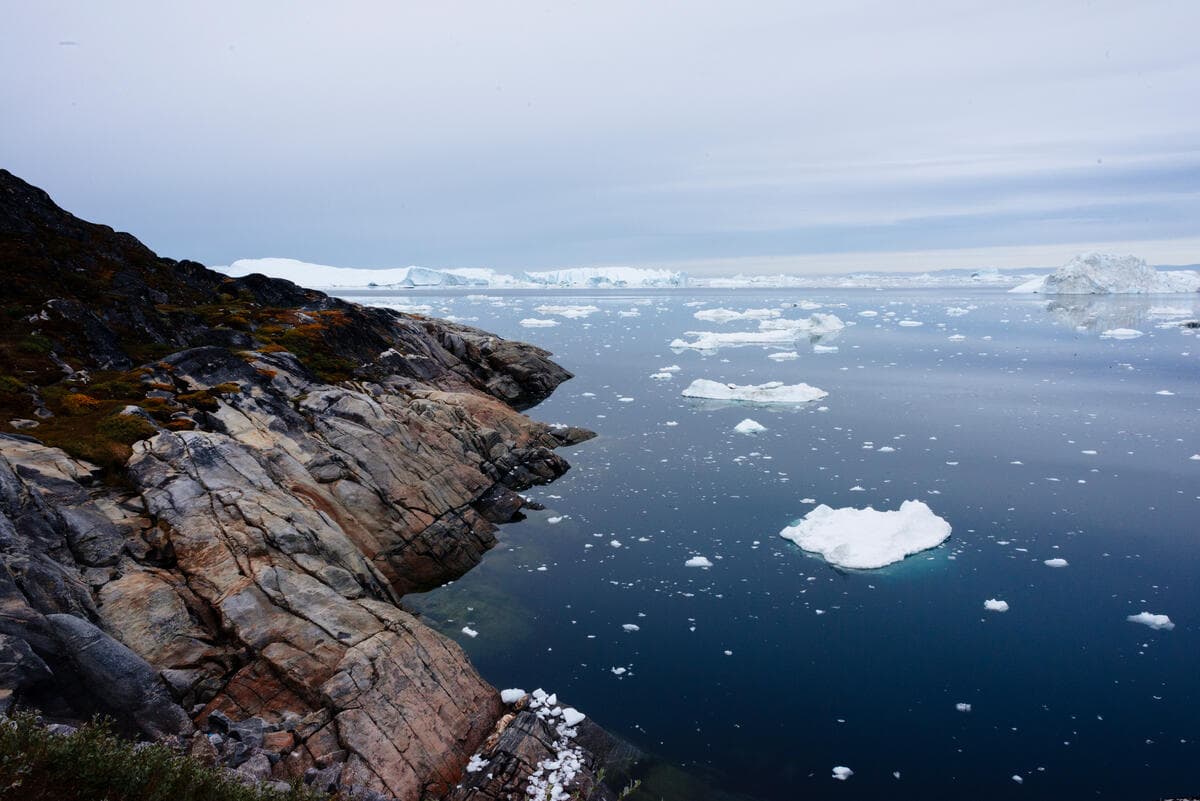
Black carbon is a powerful climate pollutant with a 20-year global warming potential more than 1600 times greater than CO2. When black carbon particles – leftover from the burning of fossil fuels – are emitted from ship exhausts, they settle on snow and ice, accelerating melting and driving habitat loss for species uniquely adapted to the Arctic environment.
The Arctic is warming four times faster than elsewhere on Earth. As sea ice thins and retreats due to this climate heating, Arctic wildlife faces increasing pressure, with species like polar bears, seals, and walrus losing critical access to the snow and ice habitats they depend on to survive.
These shifts are also making it harder for caribou to reach calving grounds, underscoring how climate change is disrupting a finely balanced ecosystem. In addition, ice loss from Greenland’s glaciers is driving sea level rise.
Direct implications on Indigenous life
Inuit and other Indigenous peoples have lived in and stewarded the Arctic region for thousands of years, relying on the ocean, sea ice, and marine species for food security, cultural identity, and community well‑being. By degrading snow and sea ice habitat, black carbon emissions have direct implications for Indigenous harvesting and ways of life.
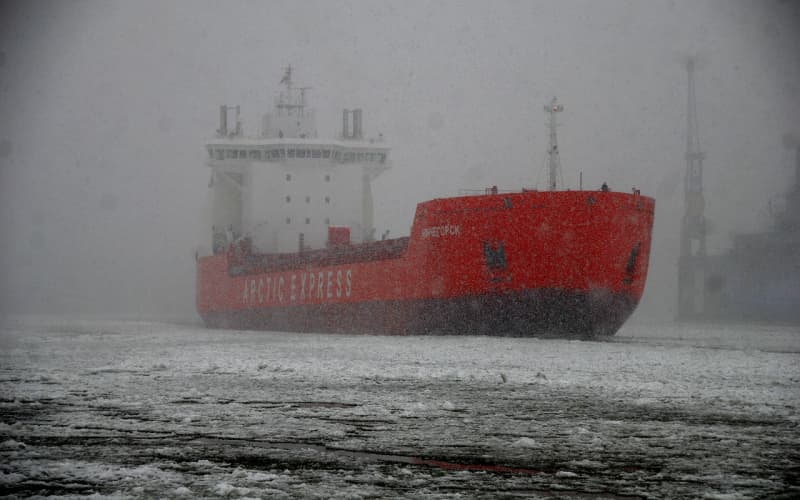
Shipping is a major and growing source of black carbon in the Arctic – and emissions doubled between 2015 and 2021. Yet, despite the scale of the threat, there are still no rules that directly regulate black carbon emissions from ships, despite years of discussion at the IMO.
That is where the emerging concept of polar fuels comes in.

Polar fuel fact sheet. By Clean Arctic Alliance.
Closing the gap
Rather than replacing existing IMO rules, a polar fuel standard would build on them, filling an important gap in the current regulatory framework, by directly targeting black carbon emissions from ships.
This polar fuel measure would require the use of cleaner distillate fuels such as marine gas oil (MGO) and new zero carbon fuels which are beginning to enter the market. It would prevent the use of ultra-low sulphur fuel oils (ULSFOs), or heavy residual fuel oils (HFOs) with scrubbers, which would still be able to be used under an ECA designation.
Emission Control Areas, established under MARPOL Annex VI, play an important role in limiting sulphur oxides (SOx) and nitrogen oxides (NOx). These controls improve public health by lowering risks of respiratory and cardiovascular disease in coastal communities and by reducing acidification and chemical disruptions in our waters, plants, and soil.
However, the creation of ECAs has an indirect impact on particulate matter like black carbon because they do not specifically regulate its emissions. This means ships can comply with ECA requirements while still using fuels such as Ultra-Low Sulphur Fuel Oil (ULSFO) or technologies that emit relatively high levels of black carbon, for example using HFO plus a scrubber – a device that “scrubs” pollution from ship exhausts – but then dumps the waste into the marine environment.
Reducing potentially devastating impacts
The Arctic HFO ban addresses a different risk altogether. Its primary purpose is to reduce the potentially devastating impacts of heavy oil spills by prohibiting the use and carriage of heavy fuel oil in Arctic waters. While this is a crucial safeguard for fragile ecosystems, it is not an air pollution measure.
Even after the ban is fully implemented in 2029, vessels may continue operating on some sulphur-compliant fuels, like marine diesel oil (MDO) which contains residual fuels blended with lighter distillate fuel. And, outside of the Polar Code area—which excludes large parts of the Arctic—ships will continue to burn HFO and use scrubbers or use low-sulphur residual fuels (VLSFO and ULSFO).
As a result, a clear gap remains when it comes to curbing black carbon impacts in the Arctic.
The polar fuel measure is designed to close that gap by requiring the use of cleaner fuels which are proven to reduce black carbon emissions. This makes it the only measure currently under discussion that directly addresses this pollutant.
Next steps
Without polar fuels, the existing air pollution framework falls short and black carbon will continue to accelerate warming in the Arctic by darkening snow and ice, increasing heat absorption, and contributing to rapid melt. For a region already experiencing the impacts of climate change at an alarming rate, closing this gap is essential.
The revised proposal on polar fuels, co-sponsored by Denmark, Germany, France and the Solomon Islands, is currently on the table at the IMO. It is crucial that other countries now come on board to support this proposal.
As part of the process the IMO must take a key decision on how to define the measure’s geographic scope – in other words, what waters does it cover, what latitudes does it apply to?
WWF and the Clean Arctic Alliance support anchoring this boundary in where shipping-related black carbon is most likely to impact the Arctic, including its sea ice, glaciers, and snowpack, and contributing to warming.
Sam Davin, WWF’s IMO Lead
We are calling for the IMO to apply the polar fuels measure to the marine areas covered by the Arctic Council’s Arctic Monitoring And Assessment Programme (AMAP).
The AMAP boundary was established as a compromise among geographic, ecological, and political definitions of the Arctic to support assessments of pollution affecting the region, and captures the areas that influence how pollution reaches the Arctic, making it a grounded basis for targeted policy action.
A real opportunity
Arctic shipping is surging, underscoring the urgent need to cut its climate, environmental, and public health impacts using solutions that are available today. As the IMO weighs the polar fuels concept, the question cannot be whether ECAs or the HFO ban are sufficient on their own—they are not meant to be.
The real opportunity is to build on these measures by introducing a targeted polar fuel standard that closes the black carbon gap and ensures shipping plays its full part in protecting the Arctic.
As we head towards MEPC 85, IMO member states must support the development and adoption of the Arctic polar fuel measure and agree to its application across the whole Arctic.
Check out this briefing paper: What are Polar Fuels?
Written by Sam Davin, WWF’s IMO Lead.
The article was posted in collaboration with the Clean Arctic Alliance.
By WWF Global Arctic Programme