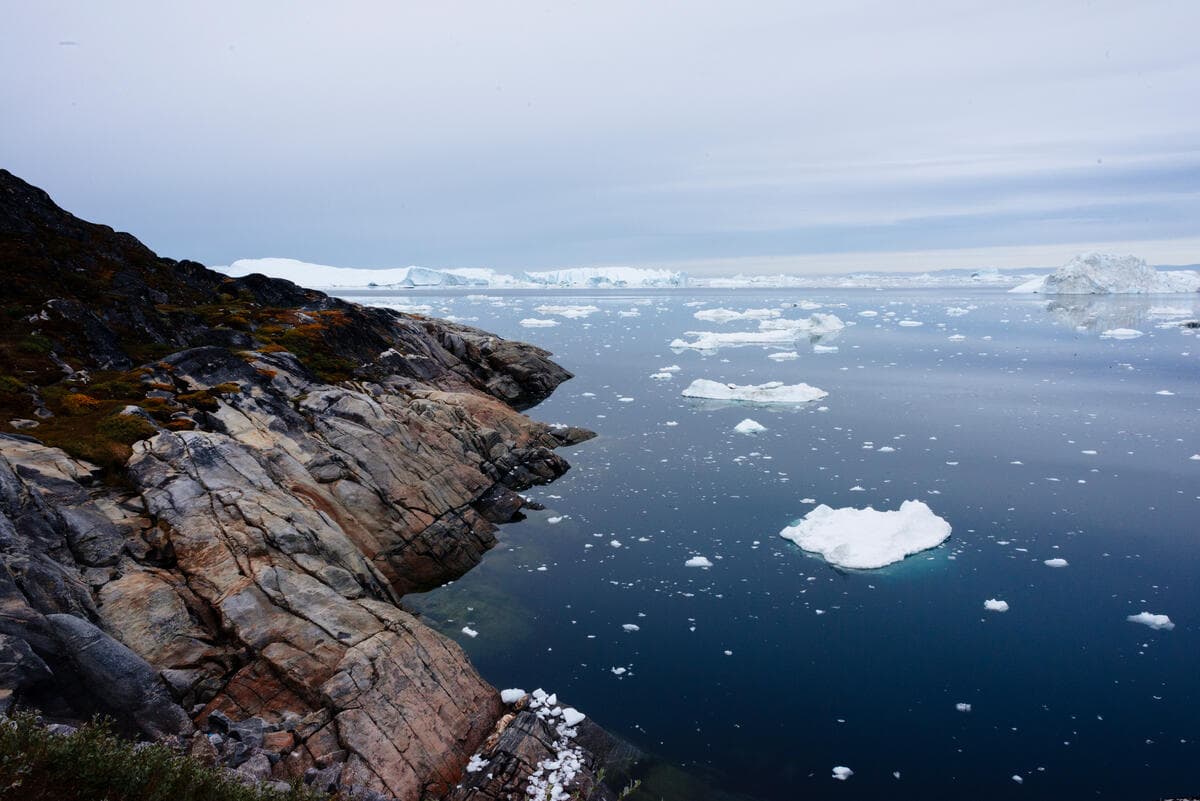
© Grant Durr / Unsplash
News
Why oil and gas operations in Arctic waters are high-risk sport for companies
- Climate Change
- Norway
- Oil and gas
A new report by WWF Norway reveals that skyrocketing costs will make it harder for projects in the Barents Sea to be profitable.
The report, entitled Assessing the Economic Risks of New Oil and Gas Investments in the Barents Sea, offers a stark warning to oil and gas companies looking to explore investments in the Barents Sea.
The average cost overrun in the Barents Sea stands at a staggering 40 percent, compared to 12 percent in the North Sea and 2 percent in the Norwegian Sea.
The risk of cost overruns in the Barents Sea is compounded by several factors such as:
- Low discovery density and high geological uncertainty – causing projects to become smaller or more complex than anticipated
- Lack of existing infrastructure requires developments with high capital costs
- Long distances to shore increase logistics and emergency preparedness costs, making projects more vulnerable
- Stricter environmental and safety requirements in the Arctic increase both costs and planning risk
- Specialist technical solutions and limited experience lead to cost overruns in several projects
Petroleum activity in vulnerable Arctic waters poses a significant environmental risk, for example through oil spills. Compensation claims could potentially deal companies a severe financial blow.
In the current tense geopolitical situation, the risk of sabotage to infrastructure is also increasing. Insurance companies may refuse to cover damages if the incident is classified as an act of war.
Significant risks, modest rewards
The report written by WWF Norway’s Senior Adviser on Climate and Energy, Guro Lystad. She urges shareholders to carefully consider future operations in the Barents Sea.
“The shareholders of oil and gas companies should be asking critical questions about whether activity in the Barents Sea is in their interest. The Barents Sea is an area with significant economic downside risk and modest upside,” she says.
Read the report by clicking on the image below:

By WWF Global Arctic Programme