
© Youth Together for Arctic Futures
Arctic Youth Dialogue
The Arctic Youth Dialogue (AYD) is an annual event, gathering youth from the Arctic and the EU to foster dialogue, understanding, and cooperation among young people interested in the Arctic region.
About AYD
AYD is an initiative of the European Union and a deliverable under the EU Arctic policy. It is implemented under different workstreams, of which the project Youth Together for Arctic Futures project is a major contributor. Youth Together for Arctic Futures is co-funded by the European Union and Global Affairs Canada.
AYD is held every year alongside the EU-Arctic Forum, the EU’s annual flagship event on the Arctic. Over four days, around 30 young people from diverse backgrounds across Europe and the Arctic states, develop policy recommendations on climate, biodiversity and youth inclusion in the Arctic, amplifying their vision for a sustainable future in the region. Participants start by sharing their own experiences and learning more about the Arctic during a cultural day. This is followed by two days of policy discussions, centred on forming consensus on recommendations.
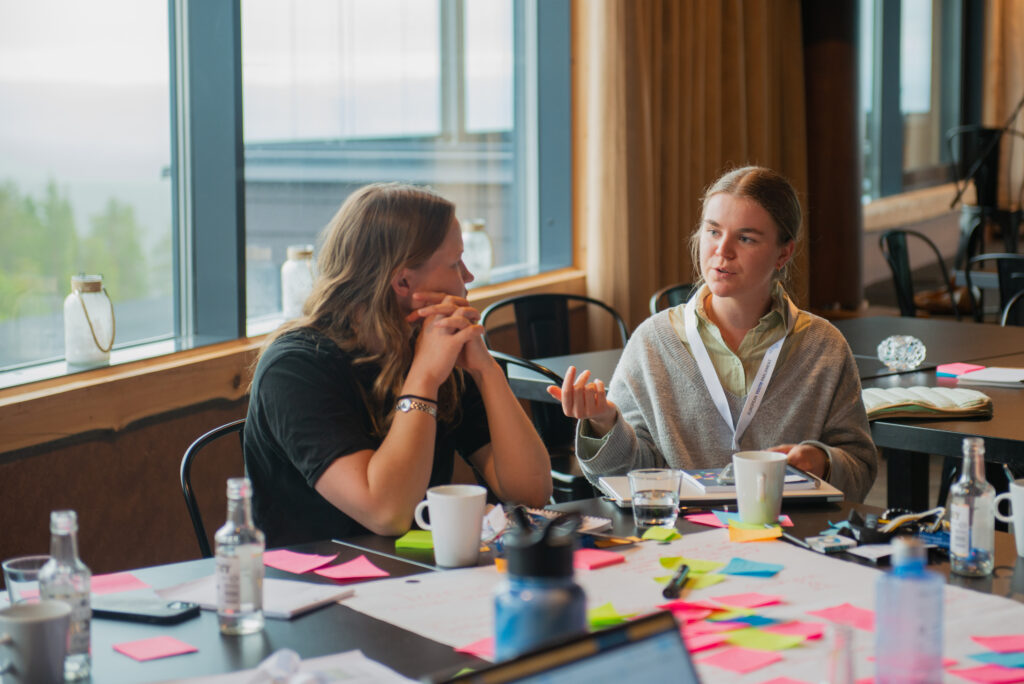
© Youth Together for Arctic Futures
On the final day, through exchange with Arctic and European decision-makers, participants refine their recommendations. They go on to present the final recommendations during the EU-Arctic Youth Dialogue, EU-Arctic Forum, and Indigenous Peoples Dialogue, engaging with various decision-makers and experts, in panels and informal discussions.
Discover the Policy Recommendations from 2025 Arctic Youth Dialogue
Explore the Policy Recommendations from 2024 Arctic Youth Dialogue
AYD participants build networks with each other, strengthen intercultural understanding, and enhance their negotiation skills while learning how to build consensus. They also gain skills in drafting policy, public speaking, teamwork and networking.
Call for the applications for the next Arctic Youth Dialogue will launch in the spring 2027.

This publication was funded by the European Union. Its contents are the sole responsibility of the WWF Global Arctic Programme and partners and do not necessarily reflect the views of the European Union.