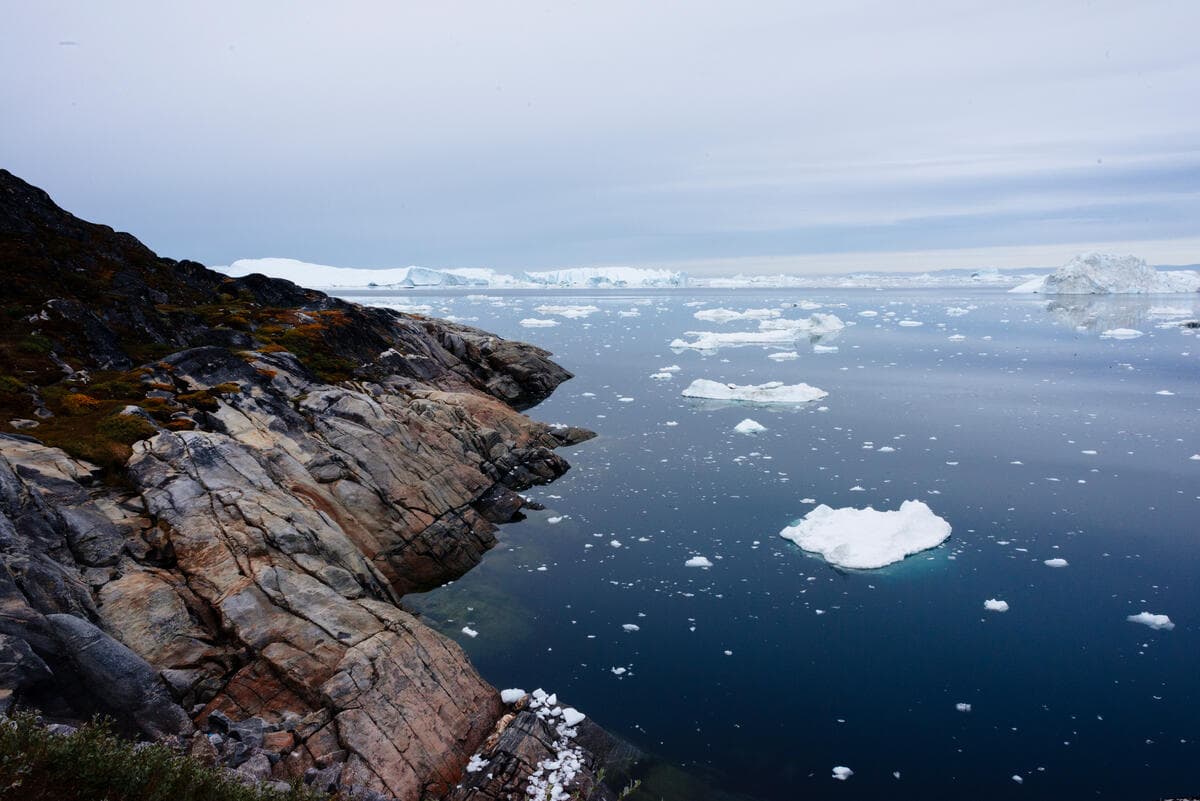
© Elisabeth Kruger / WWF-US
News
How to strengthen national legal frameworks for the protection of marine areas in the Arctic
- ArcNet
- Governance
- Pan-Arctic
A new discussion draft explores the legal foundations needed to support effective area-based marine protection in the region. Read interview with the authors explaining its vision, application and what happens next.
National legal frameworks are one of the tools Arctic countries rely on to enable effective marine protection in the region. Where that legal basis is weak, governance, management, and enforcement may fail to protect biodiversity and support the livelihoods that depend on it.
A new discussion draft from WWF’s Global Arctic Programme, Toward a Baseline Legal Framework for Area-Based Marine Protections in the Arctic, explores the legal foundations needed to support effective area-based marine protection in the region. It sets out proposed baseline elements in a foundational document, then applies that baseline to assess the Canadian and U.S. legal frameworks.
Below is an interview with the authors of the discussion draft: Vanessa Dick, Senior Governance Lead for WWF’s Global Arctic Programme; Sofia O’Connor, Director of the Ocean Program at the Environmental Law Institute; and Bruce Myers, Principal of Animals, Environment PLLC.
What is your vision behind this discussion draft?
Ultimately, we want to help inform ongoing legal and policy discussions that strengthen the protection of nature while supporting the people and communities who depend on Arctic marine ecosystems.
Our aim is to contribute to the conversation about what effective legal frameworks for area-based marine protection in the Arctic could look like. Rather than offering definitive conclusions, we present key legal elements and Arctic-specific themes as a proposed common point of reference for those working to strengthen marine conservation in the Arctic.
Why is there a need for a legal baseline for the Arctic region?
Arctic coastal states continue to evolve their legal frameworks for marine protection. We want to offer a structured basis for discussing how legal frameworks can support effective, durable, and well-governed area-based marine protections that benefit both Arctic ecosystems and the communities that depend on them.
Questions and answers continue below.

Discussion draft


What makes this work useful in the development of area-based marine protections in the Arctic?
We highlight legal and policy considerations that can influence the effectiveness, durability, and governance of area-based marine protections within national jurisdictions. By offering key legal elements and Arctic-specific themes, we propose a structured way to discuss how legal frameworks can better support results for nature while recognizing the region’s unique ecological and social context.
You focus on nationally designated marine protected areas and other effective area-based conservation measures within national jurisdictions. Why not consider transboundary areas now that we have the High Seas Treaty?
The High Seas Treaty is an important development with significant potential for marine conservation. At the same time, Arctic states continue to do important work managing and protecting areas within their own exclusive economic zones, and that work — refining and strengthening national legal frameworks — remains essential alongside progress on the high seas. Many of the baseline legal elements and Arctic themes explored here are also relevant to broader discussions about marine protection.
You present 13 baseline legal framework elements for the Arctic. How did you arrive at these specific ones?
The baseline legal elements were developed through desk research, our experience in marine protection and governance, and consultation with WWF experts. They are intended as a menu of widely recognized legal components — not a prescriptive checklist — recognizing that legal frameworks should reflect each country’s legal system, policy context, and institutional capacity.
How can these elements be applied in the Arctic?
In our paper, we apply the baseline framework to Canada and the United States as one example of how the framework can be applied. Our assessments focus on the legal frameworks as written, not their implementation.
The goal is not to create an entirely new framework, but to use the baseline legal elements and Arctic themes as a discussion tool to examine how existing legal frameworks support effective area-based marine protection in the Arctic and where further consideration may be warranted. The baseline could also be applied to assess other Arctic states.
Legal frameworks for marine protection differ among Arctic countries. How adaptable are these 13 elements to national interests and distinctions?
The 13 baseline elements reflect widely recognized components of effective legal frameworks, but they are not intended to be one-size-fits-all. Countries can address these elements through different legal instruments and governance approaches. Their value lies in providing a common basis for discussion while allowing flexibility to reflect national legal systems, priorities, and Arctic-specific circumstances.
How can stakeholders engage and contribute to your work?
We welcome feedback from those working in Arctic marine governance. Comments, critiques, and practical experience will help refine the baseline legal elements and Arctic themes so they remain a useful contribution to an ongoing conversation rather than a final framework.
What happens next?
We plan to share the discussion draft and the accompanying country assessments with experts across the Arctic to gather feedback and identify areas where further legal analysis would be valuable. We also hope the work contributes to broader pan-Arctic conversations on marine governance.
Questions or comments?
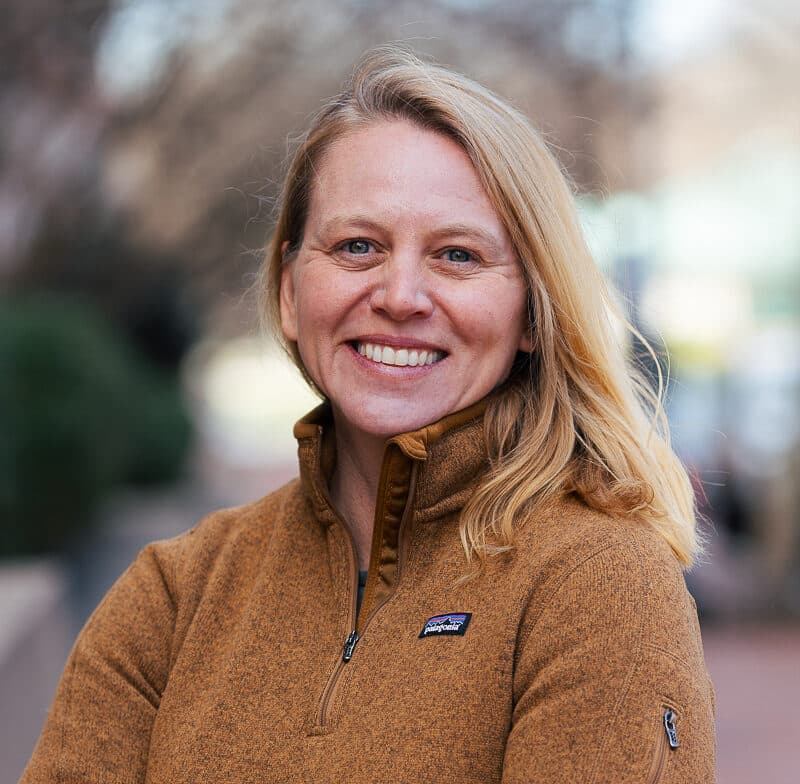
Vanessa Dick is the Senior Governance Lead for WWF’s Global Arctic Programme, where she oversees the development, implementation, and monitoring of strategies for effective Arctic governance.
Contact Vanessa Dick, Senior Governance Lead at WWF’s Global Arctic Programme>
By WWF Global Arctic Programme


