© www.naturepl.com
The High Seas Treaty
A case for protecting the Last Ice Area
As climate change rapidly transforms the Arctic, the Last Ice Area is expected to hold onto year-round sea ice longer than anywhere else in the Arctic. A new study finds that this unique ecosystem in the Arctic Ocean meets most of the criteria needed to obtain international protection from industrial pressures under the Biodiversity Beyond National Jurisdiction (BBNJ) Agreement. As SUSIE GRANT and DANI DIZ write, this means the area is a strong candidate for future marine area–based conservation measures.
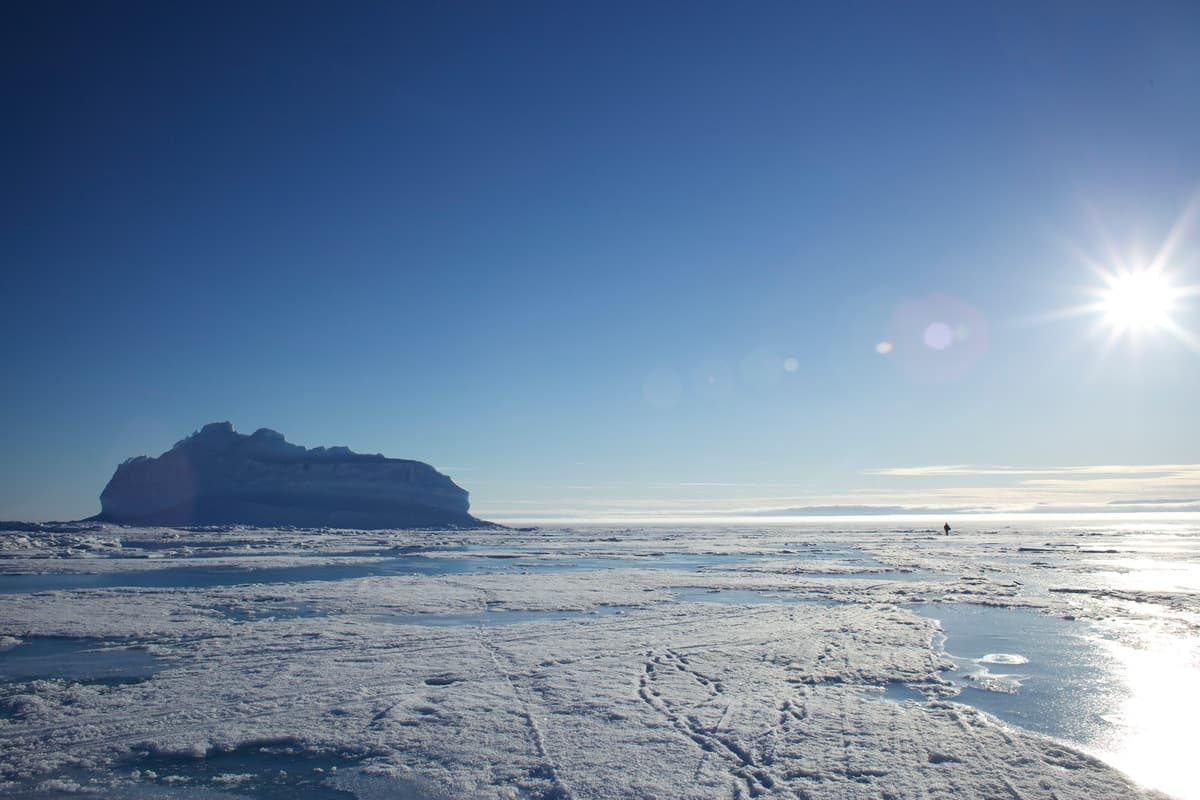
The Arctic is warming faster than any other place on Earth, and its sea ice is shrinking in both extent and thickness. Yet to the far north of Canada and Greenland lies an area that scientists believe will be one of the last places where multi-year sea ice can continue to survive.
The Last Ice Area is a refuge for species—from microscopic algae to polar bears—that depend on ice throughout their lives. As the rest of the Arctic becomes increasingly ice-free during summers, the ecological importance of this icy stronghold will grow.
The Arctic’s ice conveyor
The Last Ice Area is part of a dynamic and interconnected sea ice system whose resilience depends in part on ice that is formed in the Central Arctic Ocean and transported into the region by wind and ocean currents. Together, these source and transport areas are termed the “ice shed.” The ice becomes thicker and older as it drifts across the ocean to accumulate in the Last Ice Area.
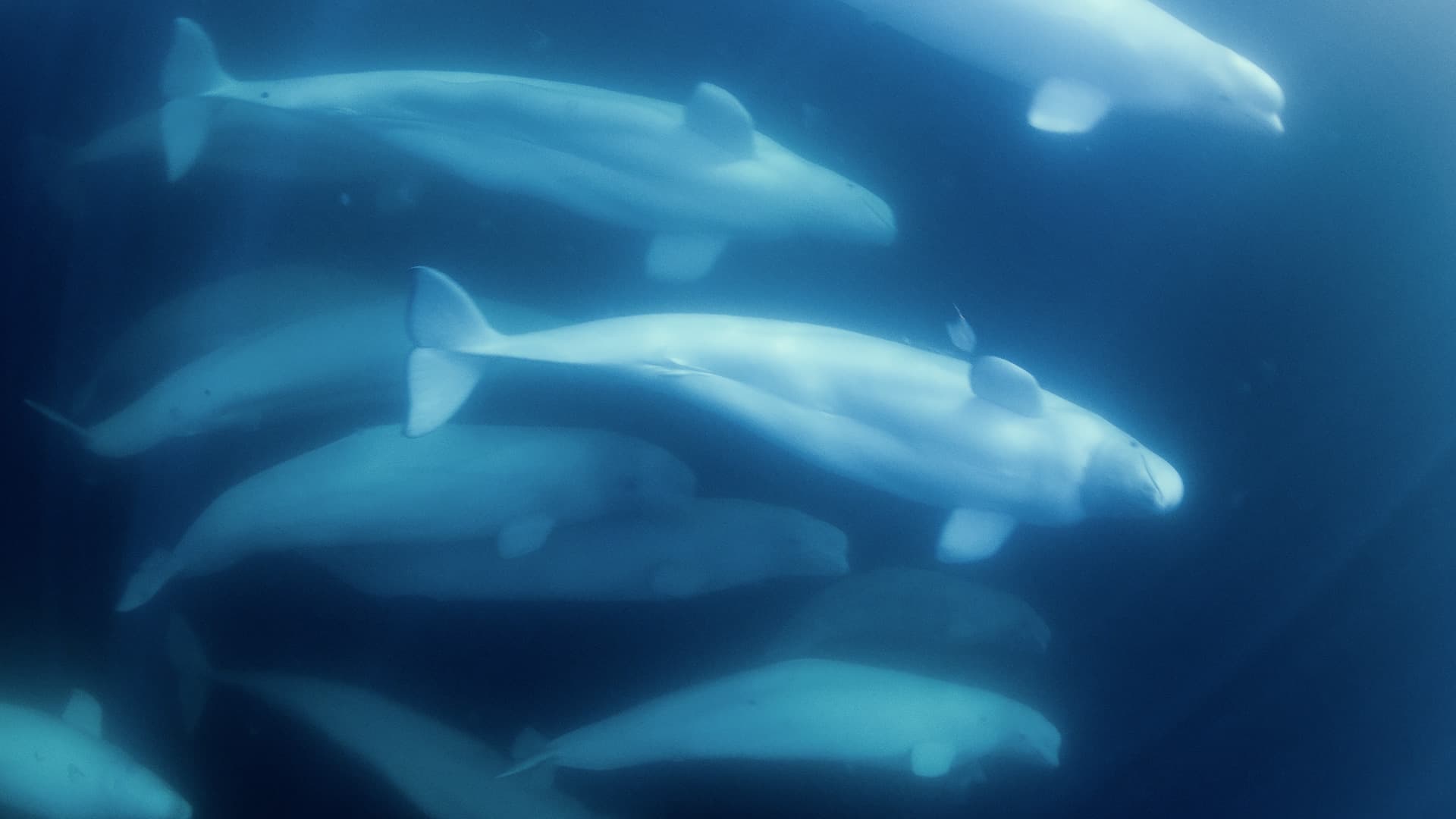
Arctic multi-year ice supports biodiversity, including complex communities of algae, microorganisms, zooplankton and invertebrates. These organisms form the foundation of Arctic food webs, supporting fish such as polar cod as well as seabirds, seals, whales and polar bears. Multi-year ice also serves as a critical habitat throughout many species’ life stages, providing feeding, breeding, resting and migration areas.
But in recent decades, sea ice throughout the Arctic has become thinner, younger and less extensive, reducing the amount of habitat available for ice-dependent species.
Conservation beyond national borders
The BBNJ Agreement, or more simply the High Seas Treaty, entered into force on January 17, 2026. It is a landmark international treaty that creates the first global framework to protect marine ecosystems in areas that lie beyond national jurisdiction, including the high seas—the vast ocean areas outside any country’s national borders.
A preliminary evaluation of whether the Last Ice Area could be eligible for protection under the BBNJ Agreement found that the area clearly satisfies at least 18 of the treaty’s 22 indicative criteria for area-based management tools, including marine protected areas. These criteria include uniqueness, rarity, ecological connectivity, biological diversity, vulnerability, naturalness, importance for threatened species, and the occurrence of important ecological processes.
Four of the 22 criteria were not assessed during the preliminary evaluation. These require further analysis and the involvement of a wide range of experts, including traditional knowledge holders.
A window of opportunity
Unregulated commercial fishing is prohibited under the Central Arctic Ocean Fisheries Agreement until at least 2037—and meanwhile, shipping, tourism and research are naturally constrained by the harsh environmental conditions.
This means that for now, human activities in the region are limited. But as sea ice diminishes, the area will become more accessible and could be vulnerable to greater pressures from shipping, resource development and other industrial activities. Establishing conservation measures before these pressures intensify could help safeguard the region’s ecological integrity.
Scientifically, the Last Ice Area is well qualified for future action under the BBNJ Agreement. A significant portion of the Last Ice Area ice shed lies in international waters beyond national jurisdiction, and the agreement is the first legal tool that could enable cross-sectoral coordination for the international protection of these waters.
But the Last Ice Area is far more than a remnant of a disappearing ecosystem. It may be the planet’s final stronghold for multi-year Arctic sea ice and the life it supports. Protecting it now could help secure one of the Earth’s most unique and vulnerable marine environments before climate change and human activities reshape it forever.
Note: Information, findings, and viewpoints presented in articles authored by external contributors are their own and do not necessarily represent WWF positions, policies, or interpretations. For general inquiries, please email info@arcticwwf.org.


By Dani Diz
DANI DIZ is an associate professor of international ocean governance with a focus on marine biodiversity conservation and sustainability policy and law with the Lyell Centre at Heriot-Watt University in Scotland.

By Susie Grant
SUSIE GRANT is a marine biogeographer working on spatial management and protected areas in the polar regions with the British Antarctic Survey.