© Henry Harrison / WWF
In brief
Will the Last Ice Area remain a refuge for marine predators?
Recent research has suggested that the Last Ice Area may lose multi-year ice even faster than previously thought. A new study goes a step further, unpacking what the area’s future ice dynamics might mean for polar bears, seals, whales and other marine mammals.
An international team led by University of Washington researchers used computer modelling to examine how future sea ice loss and shifting nutrient conditions could alter plankton communities in the region.
Steep decline through 2070
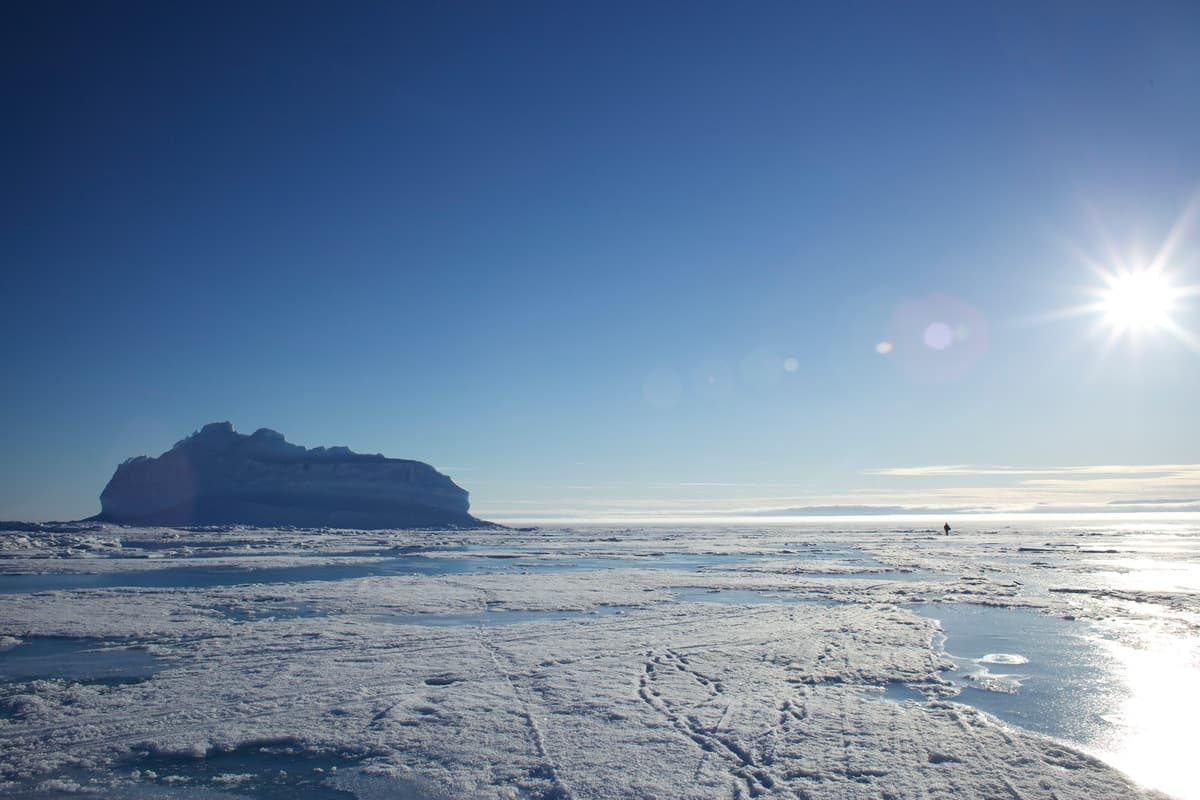
By running two high resolution climate models under a high emissions (“worst case”) scenario, they projected steep declines in summer ice concentration and thickness through 2070. In one simulation, summer ice disappeared almost entirely by mid century, and in the other, only thin, patchy ice remained.
In contrast to the projected summer ice loss, the models project that all parts of the Last Ice Area will remain ice-covered in spring, a critical breeding and feeding period for ringed seals and polar bears. Recent surveys recorded both species, as well as bearded seals, narwhals, walrus and beluga whales, across the region, suggesting that parts of it already provide suitable habitat.
Higher summer productivity
Despite the projected ice loss through 2070, both simulations pointed to higher summer productivity, driven by longer open water seasons and more light reaching the surface.
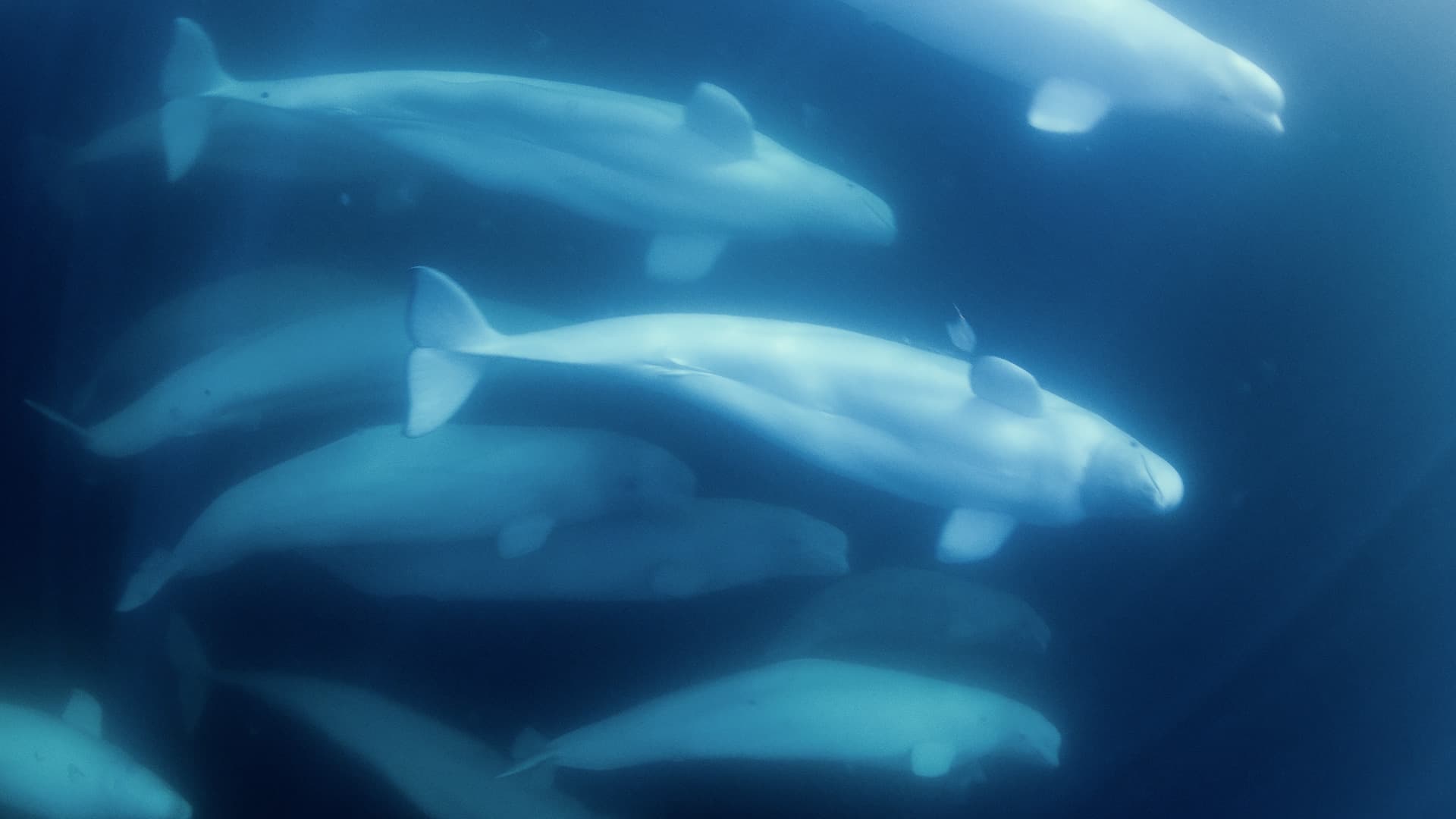
The resulting boost in phytoplankton could increase food availability higher up the food web, and more open water could lead to new habitat for Arctic whales. But ice-dependent predators, such as polar bears, seals and walrus, will still need stable sea ice for hunting, resting and raising their young.
Note: Information, findings, and viewpoints presented in articles authored by external contributors are their own and do not necessarily represent WWF positions, policies, or interpretations. For general inquiries, please email info@arcticwwf.org.
By WWF Global Arctic Programme