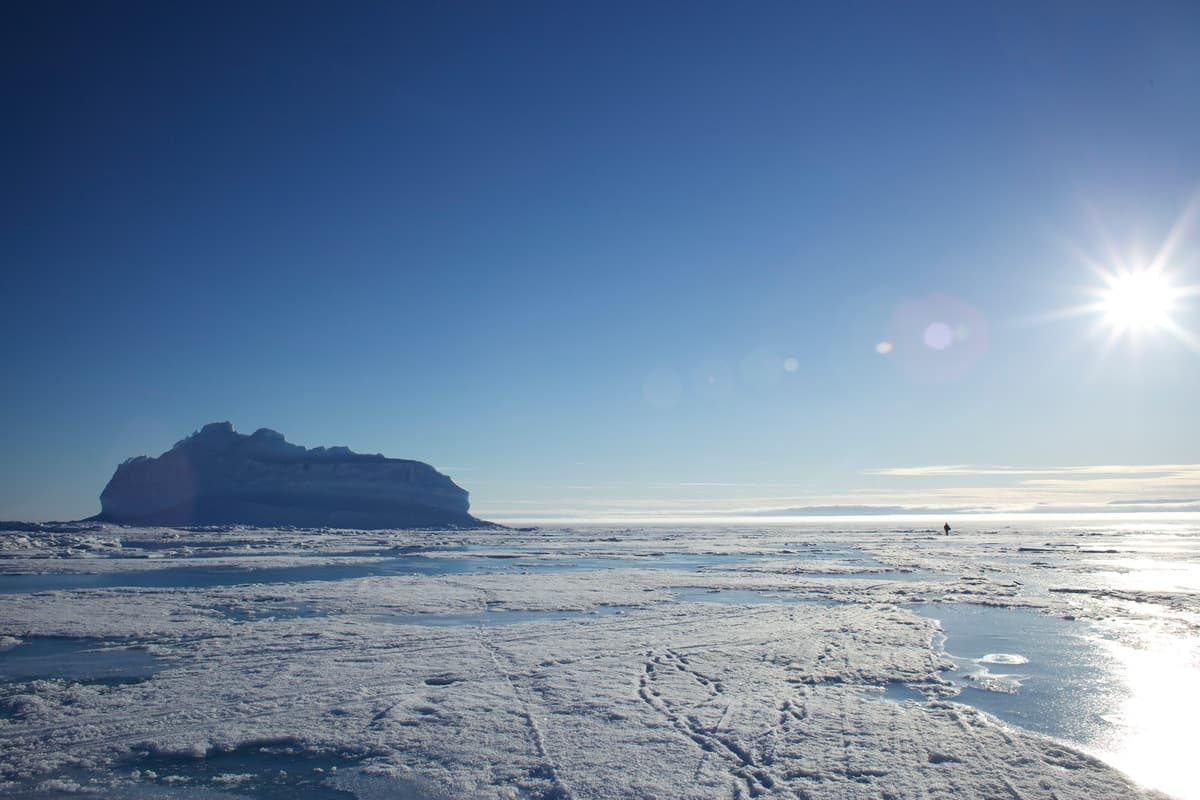
Nauttiqsuqtiit checking the floe edge, June 2025. Photo credit: Nina Qillaq
Tuvaijuittuq
Conservation on Inuit terms
Long used by Inuit for travel and harvesting, Tuvaijuittuq means “the place where the ice never melts” in Inuktitut. This culturally and historically significant marine area is globally, nationally and regionally unique due to the presence of multi-year pack ice—and as RICHARD PATON writes, all 319,000 square kilometres of it are now managed through the lens of Inuit protection and conservation.
Tuvaijuittuq is one of the world’s most remote regions and has the oldest and thickest sea ice in the Arctic Ocean. As sea ice continues to decline in the Arctic due to climate change, the ice here is expected to last longer than ice anywhere else in the Canadian Arctic.
The original researchers
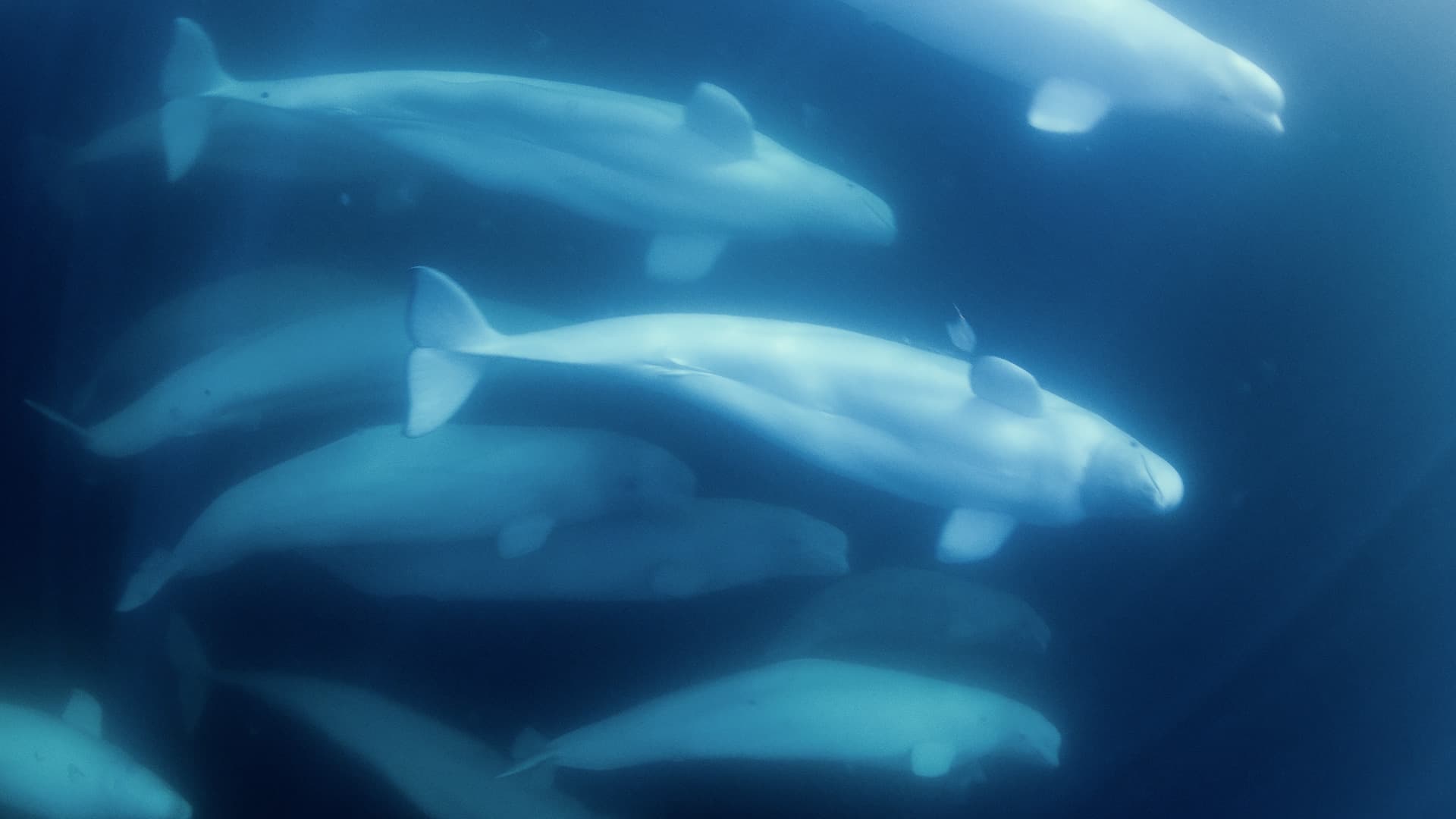
This means it will be an important summer habitat for ice-dependent species in the future, including walrus, seals and polar bears—species that Inuit depend on for our way of life.
We Inuit are the original researchers in our homeland. We have always observed, monitored and researched the area. We have gathered information, formed and shared knowledge, asked questions, assessed and analyzed.
We know the Sila (the living environment and cosmos around us) and the Nuna (the sustaining physical land beneath us). More than that, we are part of them, and they are part of us.
For most of the year, Inuit travel over ice. In an ever-changing world, ice is at the heart of our efforts to protect and conserve Tuvaijuittuq.
Knowledge rooted in the land
As the eyes and ears on the ground, the Nauttiqsuqtiit (local Inuit Guardians of the land and sea) bring deep knowledge of and experience in Tuvaijuittuq. They are ideally positioned to lead local- and regional-scale research and monitoring to advance and support conservation outcomes that will sustain our culture and advance Canada’s commitment to protecting 30 per cent of its oceans by 2030.
Words cannot fully convey how Inuit know and understand this land. The Nauttiqsuqtiit draw on their knowledge and skills, technical approaches and Inuit Qaujimajatuqangit (Traditional Knowledge). They employ lived experience, multiple ways of knowing, and many technologies every day—tools that are not separate but complementary.
Their extensive knowledge equips them to choose the methods and approaches that best suit their needs and communities. Everything is rooted in deep relationships with the land. Inuit knowledge, language, skills and values ground the Nauttiqsuqtiit in their work.
One million square kilometres
Ninety per cent of Qikiqtani waters are recognized as ecologically or biologically significant. The Qikiqtani Region is a globally significant, climate-vulnerable ecosystem that supports many critical marine mammals, birds and fish. Yet our lands and freshwater and marine areas are under immense pressure from a variety of factors, including climate change, global pollution, shipping and resource extraction.
Tuvaijuittuq is unique in that it has not yet had to face most of these pressures. But climate change is the most significant of all, and it is impossible to avoid.
Inuit are working diligently to advance conservation outcomes that will mitigate these pressures. These efforts are embedded in the SINAA Agreement—our regional conservation approach. At its northern end, Tuvaijuittuq serves as an anchor for almost one million square kilometres of Inuit-led protected and conserved marine areas. (SINAA means “floe edge” in Inuktitut—the place where landfast ice meets open water. It represents abundance, resilience and life at the boundary between sea and ice.)
Inuit are not defined by the term “conservationist.” But co-existence with nature is embedded in our way of life. By extension, protection for Tuvaijuittuq represents an economic opportunity linked to Inuit self-determination.

This map shows existing and proposed protected and conserved areas across the Qikiqtani region. SINAA builds on this conservation network to support the establishment and long-term stewardship of marine protected and conserved areas.
SINAA: Key milestones
• 2019: Canada and the Qikiqtani Inuit Association establish the Tallurutiup Imanga National Marine Conservation Area and the Tuvaijuittuq Marine Protected Area, laying the foundation for future collaboration.
• 2022: Canada launches the Project Finance for Permanence initiative, creating an opportunity for a region-wide approach to marine conservation and long-term financing.
• September 2023: Representatives of the Qikiqtani Inuit Association, the Canadian government and philanthropic partners start negotiating the SINAA agreement.
• February 2025: The partners sign the SINAA agreement, securing long-term funding and governance for Inuit-led marine conservation across the Qikiqtani region.
• November 2025: SINAA implementation launches, with a celebration in Iqaluit.
• March 2026: The Qikiqtait and Sarvarjuaq Marine Protected Areas are established, marking the first major conservation outcomes under SINAA.
• Beyond 2026: SINAA will continue to support Inuit stewardship, conservation centres, research and the establishment of additional protected and conserved areas.
Conservation at a regional scale
SINAA links 13 communities, each with their own conservation priorities, in a plan to advance Inuit-led protection and conservation across 989,000 square kilometres of land and water. Stretching from Tuvaijuittuq in the Arctic Basin to Qikiqtait—the waters surrounding the Belcher Islands in Hudson Bay—this vast area is now one of the largest Indigenous protected and conserved areas in the world. And it is stewarded by Inuit who make up a tiny fraction of Canada’s population.
SINAA creates jobs for Inuit (as Nauttiqsuqtiit) and space for Inuit decisions and governance around conservation. It also provides infrastructure that contributes to food distribution, supporting greater food sovereignty and security.
Embedded within the SINAA Agreement, Inuit in the Canadian Arctic are protecting an area equivalent to almost 40 per cent of what Canada needs to conserve to meet its goal of protecting up to 30 per cent of its oceans by 2030.
That’s no small measure for the small population of 16,000 Inuit who live here. And it is a responsibility that Inuit are uniquely positioned to lead.
Note: Information, findings, and viewpoints presented in articles authored by external contributors are their own and do not necessarily represent WWF positions, policies, or interpretations. For general inquiries, please email info@arcticwwf.org.


By Richard Paton
Richard Paton is the assistant executive director of marine and wildlife conservation with the Qikiqtani Inuit Association.