
Protecting the Last Ice Area
The Last Ice Area is the Arctic’s ecological anchor. Sweeping across the Arctic Ocean north of Canada and Greenland, this one million square kilometre region is the area most likely to retain multi-year sea ice in the decades ahead.
In this issue of The Circle, we explore this area in detail, explaining why it is so much more than ice, and why its future depends on what happens far beyond its own boundaries. Also, we look at what it will take to safeguard the area, the challenges and rewards of doing fieldwork here.
Stories from this issue

Governing the Arctic at the scale of nature

A living continuum

The Last Ice Area doesn't stand alone

Safeguarding the Last Ice Area

Getting your hands cold in the Last Ice Area

Where partnership meets permanence

Conservation on Inuit terms
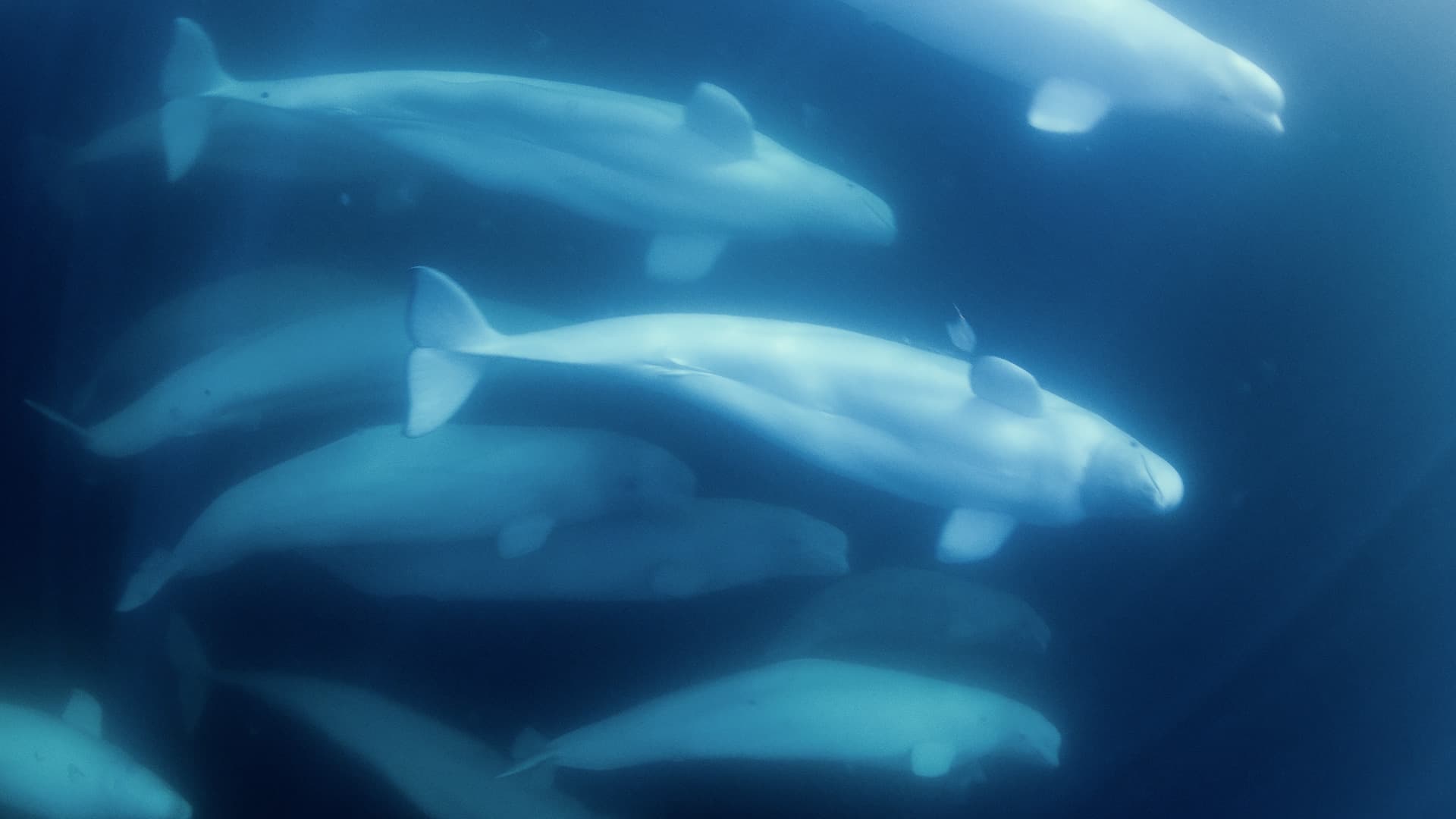
A case for protecting the Last Ice Area

New polar bear denning behaviour in the Last Ice Area
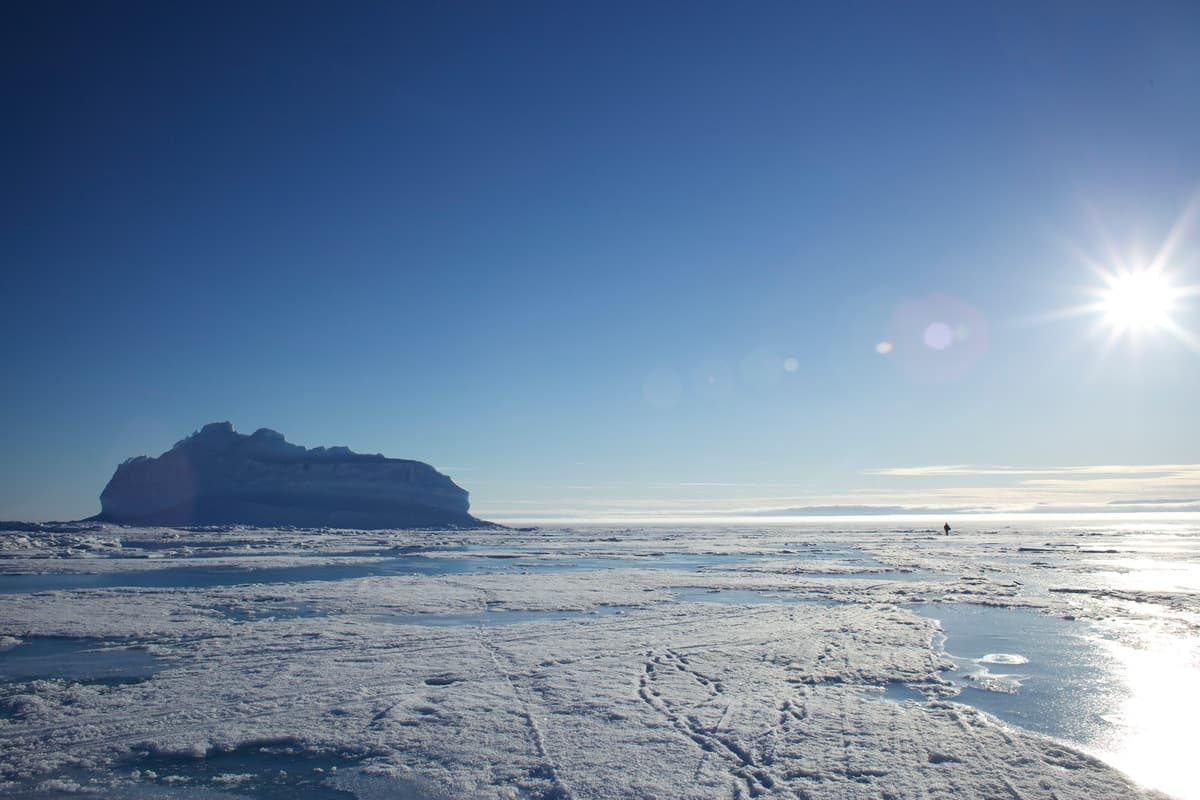
Will the Last Ice Area remain a refuge for marine predators?

Protecting Pikialasorsuaq

Retreating glaciers reshape Arctic marine ecosystems

Arctic deep water protected from climate change
The back cover

Credit: Public Domain
A voyage into thin ice
HMS Alert sits amid heavy pack ice during the British Arctic Expedition of 1875–76. After pushing further north than any wooden ship had gone before, the ship was beset by ice off Floeberg Beach on northern Ellesmere Island and spent the winter there. Nearly 150 years later, the waters north of Ellesmere form part of the Last Ice Area—the region where Arctic summer sea ice is expected to persist longest.
More from The Circle


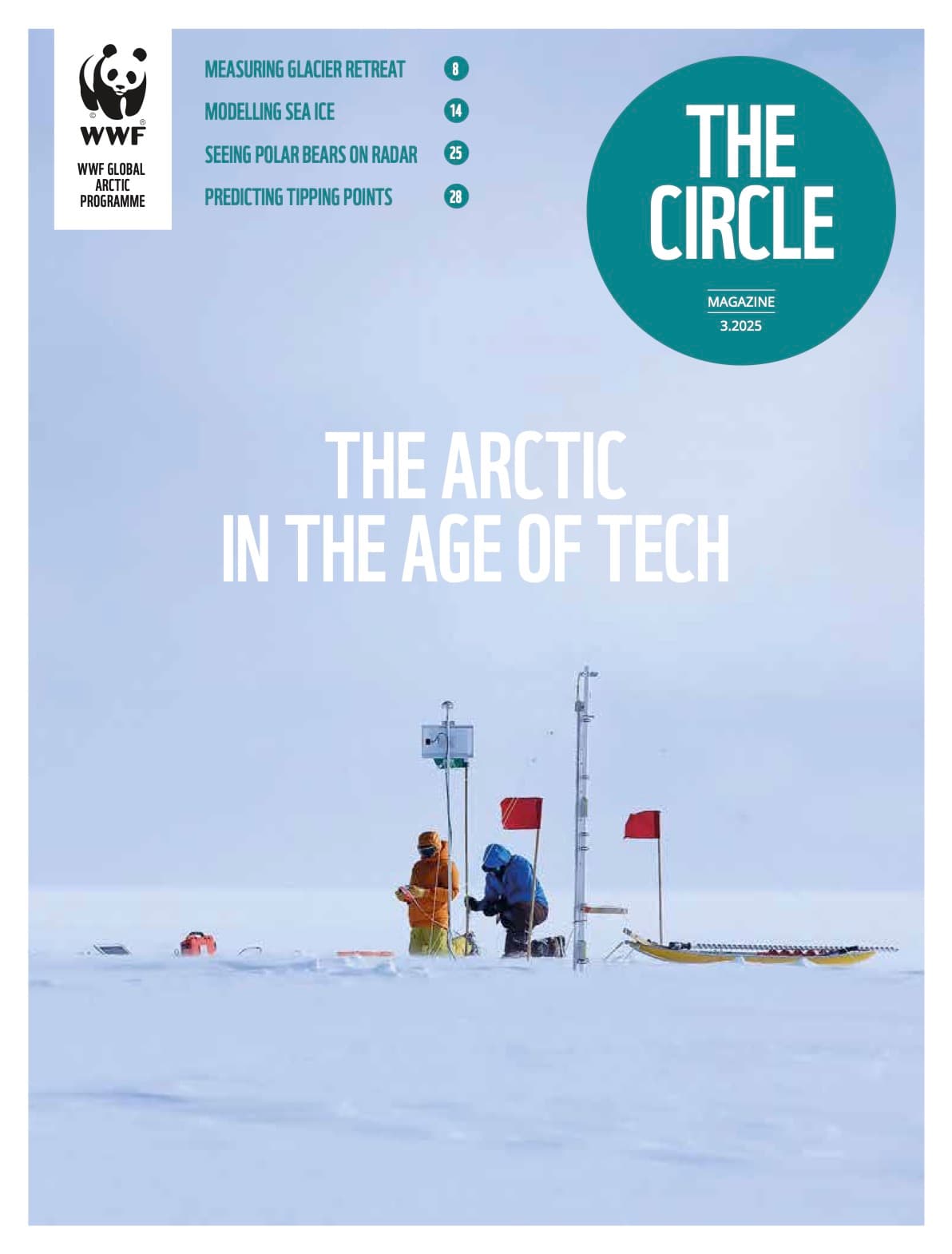
About The Circle magazine


Quarterly
WWF Arctic Programme publishes the magazine four times per year and each issue zeroes in on a theme and presents a range of stories.


Actions
It covers the key climate risks are for the Arctic—and what researchers and decision-makers in the eight Arctic nations are doing.

Perspectives
We aim to hear from contributors in a selection of Arctic countries—from youth to Indigenous communities to policymakers to scientists.

Themes
Stay informed about the environmental and development issues affecting wildlife, ecosystems and people in the Arctic today.