The day’s catch dries on a rack in Ilulissat, Greenland. Photo credit: Erin-Towns—PolarTREC-2022—Courtesy-of-ARCUS.-CC-BY-NC-SA-4.0
Editorial
Governing the Arctic at the scale of nature
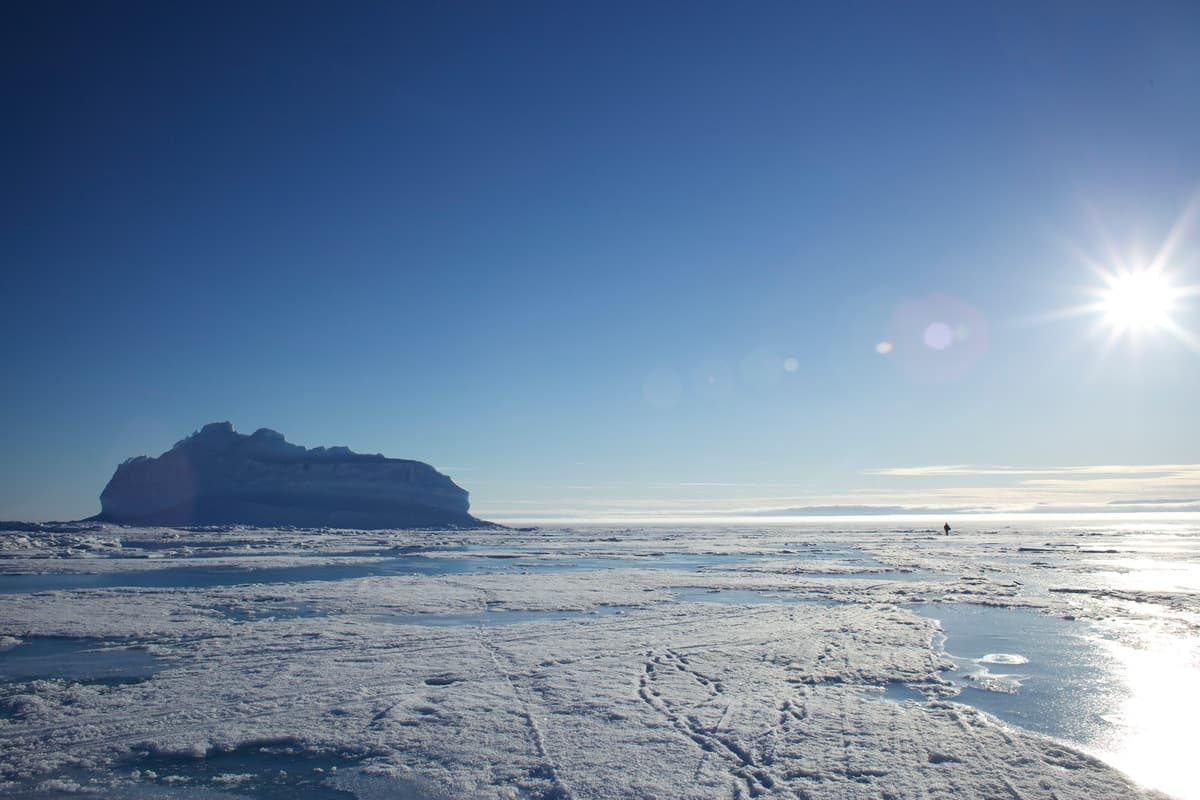
The Last Ice Area is the Arctic’s ecological anchor. Sweeping across the Arctic Ocean north of Canada and Greenland, this one million square kilometre region is the area most likely to retain multi-year sea ice in the decades ahead. As such, it will provide a refuge for ice-dependent species that Inuit communities rely on. But its future depends on what happens far beyond its own boundaries.
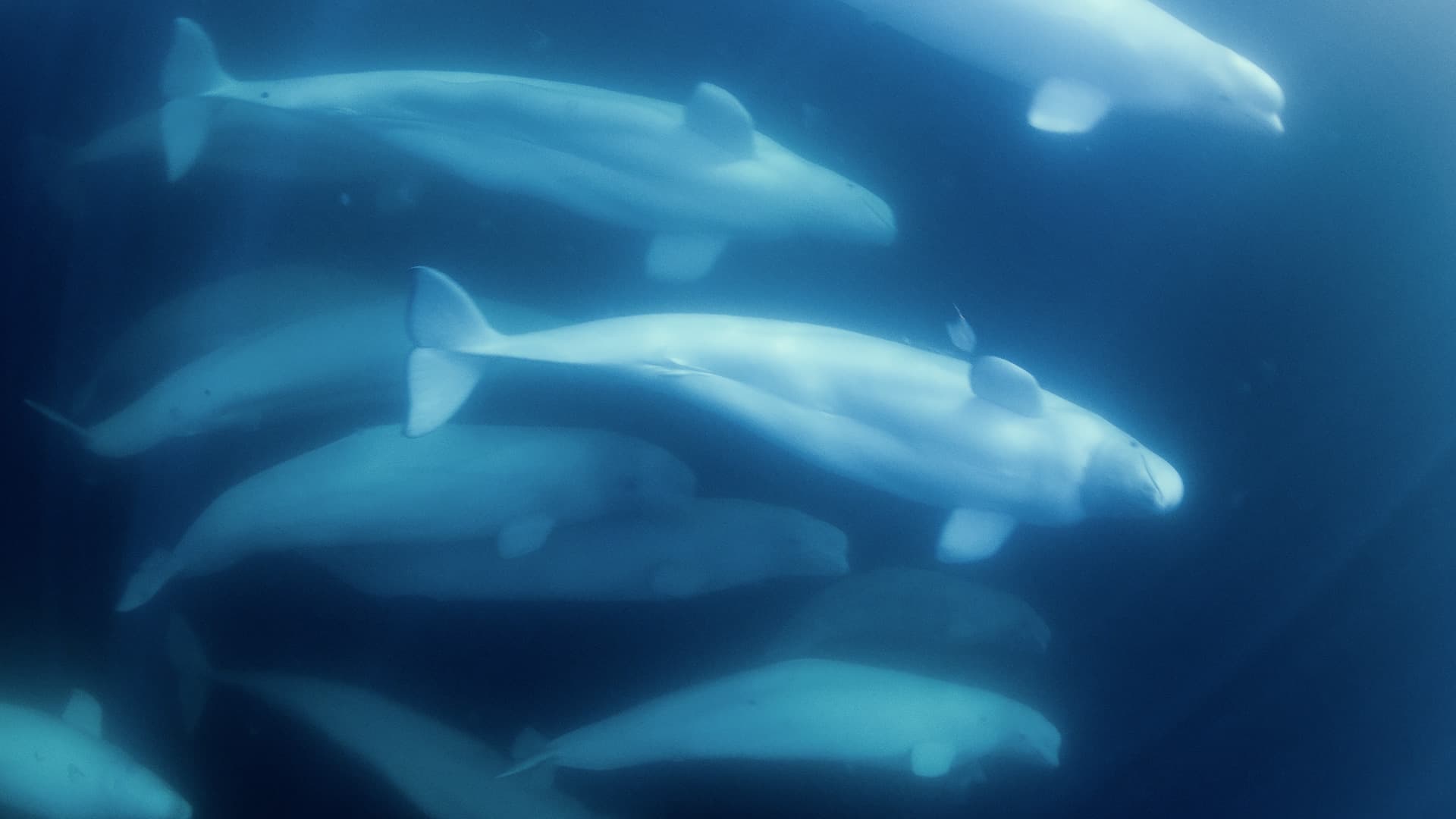
The Last Ice Area contains the thickest, oldest sea ice in the Arctic. While climate models project that summer sea ice across much of the Arctic Ocean will largely disappear in the coming decades, this region is expected to remain frozen the longest, offering species such as polar bears, seals and narwhals a place to persist when conditions change elsewhere.
Inuit have lived in this region for millennia, building knowledge of its rhythms and abundance that science is only beginning to grasp.
Yet this refuge does not exist in isolation. It depends on an Arctic “ice shed”—a system in which sea ice forms thousands of kilometres away before winds and ocean currents carry it into the Last Ice Area, linking distant parts of the Arctic into a single living system.
Changes can alter conditions far away
Those connections are also what make the Last Ice Area vulnerable. As sea ice retreats, the Central Arctic Ocean is becoming more accessible to shipping, fishing and other forms of development.
Decisions about these activities are often made one sector at a time or within national boundaries, even though their cumulative effects can spread across ecosystems that have no borders.
Ice drifts freely, currents transport nutrients and organisms, and marine mammals travel vast distances between feeding and breeding grounds.
A change in one part of the Arctic can alter conditions far away, including in the Last Ice Area and in the coastal communities whose food security, culture and livelihoods depend on healthy marine ecosystems.
This means that protecting the Last Ice Area requires governance at the scale of the system itself. An ecosystem-based approach recognizes that shipping, fisheries, conservation and other ocean uses do not occur in isolation—and neither do their impacts.
Governing at the scale of nature means drawing on the braiding of science and Inuit Knowledge to understand how the Arctic functions as a single connected ocean.
Understanding what is at stake
The people who know this region best—Inuit rightsholders, scientists, policymakers and those who manage Arctic waters—must help define what persistence truly requires for the Last Ice Area and the people and wildlife that depend on it.
Together, they can identify where conservation measures are most effective, how Indigenous-led stewardship can guide future management, and how the institutions responsible for shipping, fisheries and marine protection can work in concert rather than separately.
This conversation belongs not only in Arctic institutions, but in the broader public as well, because lasting stewardship depends on everybody understanding what is at stake.
Think beyond borders
The Last Ice Area is often described as the Arctic’s last refuge. But no refuge can endure if the systems that sustain it are left unprotected.
The choices we make today about the Central Arctic Ocean will determine whether this extraordinary place continues to support wildlife, Inuit communities and future generations.
Ultimately, protecting the Last Ice Area means thinking beyond its borders and acting before it’s too late.


By Vanessa Dick
Senior Governance Lead
Vanessa Dick is the Senior Governance Lead for the WWF Global Arctic Programme.